
My Vibrant Urine Test Said Zero While I Was Living in Mold
Quick Answer
A Vibrant urine mycotoxin test can come back at zero even while you live in mold. It measures what your body excretes, not whether mold is making you sick.
My Vibrant urine test came back at zero. Not a single mycotoxin. And I was living in a house full of mold that was quietly making my whole family sick. If your urine mycotoxin test came back clean and you still feel awful, please hear this clearly. A normal result on this test can mean almost nothing, and I can prove it with my own.
For a long time I trusted that zero. I thought it meant I was fine, that whatever was wrong with me had to be something else entirely. That misplaced trust cost me time and money I did not have. So let me walk you through what the Vibrant urine mycotoxin test actually measures, why a clean result fooled me for so long, and what I look at now instead.
What is the Vibrant urine mycotoxin test?
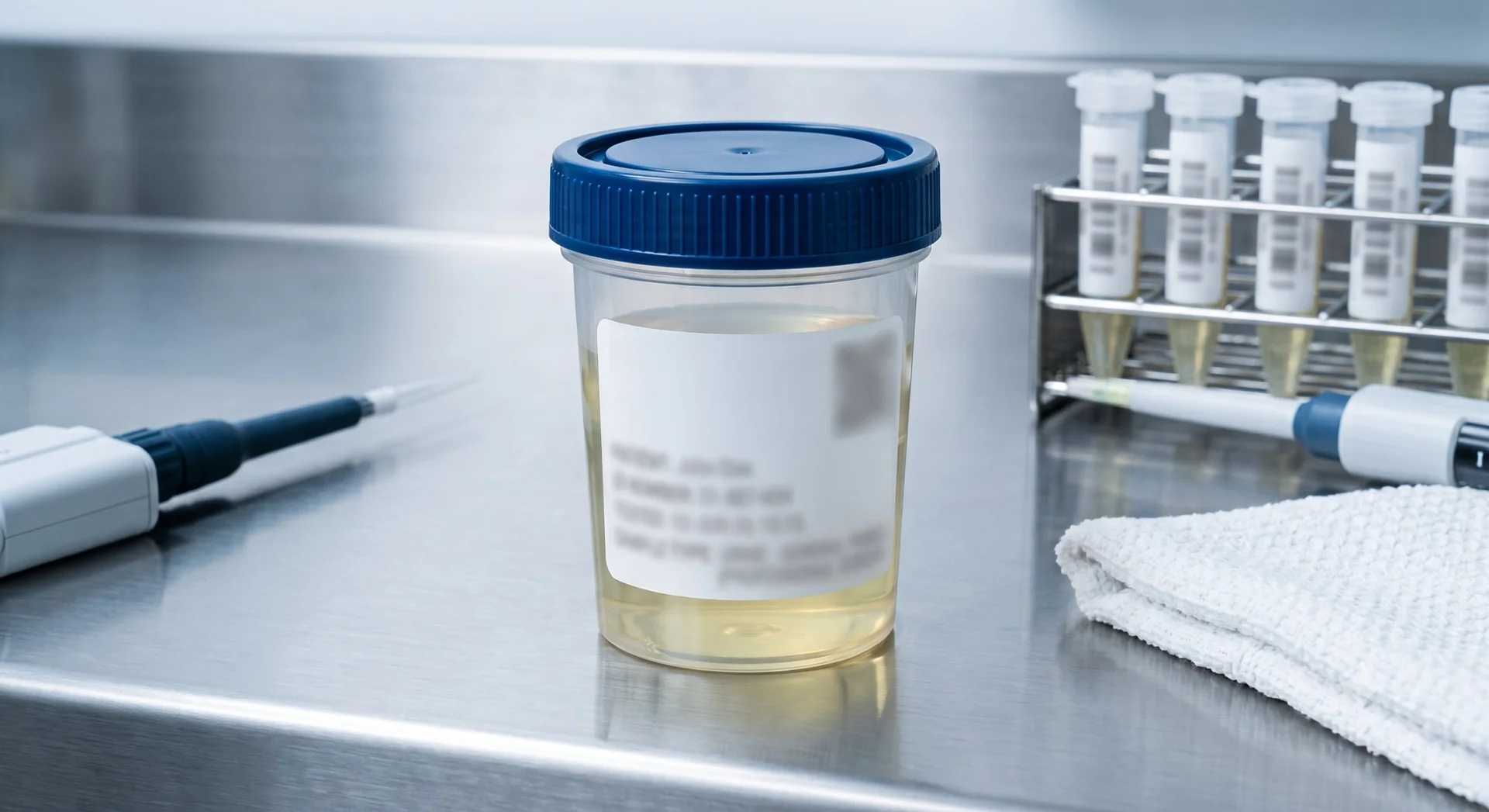
The Vibrant Wellness mycotoxin test is a urine test that screens for a panel of common mycotoxins, the toxic compounds produced by certain molds. A practitioner orders it, you collect a urine sample at home, and the lab uses mass spectrometry to report which mycotoxins it found and at what levels. The panel usually includes names you may have seen in your own results, like ochratoxin A, trichothecenes, and gliotoxin.
It is popular for understandable reasons. It is noninvasive, you can do it from your bathroom, and it feels like it looks straight at the poison. The marketing promise is that it shows your body's mold burden in black and white. The trouble is not the chemistry. The lab can absolutely detect mycotoxins in urine. The trouble is what that detection does and does not tell you about whether mold is making you sick.
What a urine mycotoxin test is actually measuring
Here is the part nobody explained to me. A urine mycotoxin test measures the mycotoxins your body is excreting in your urine. That is it. Urine is one of the main ways your body clears things it does not want to keep. So this test is a snapshot of what you happened to be flushing out on the day you filled the cup.
Researchers who study these compounds treat urine levels as a short-term exposure biomarker, a snapshot of recent intake rather than some fixed internal load (Marin et al., Current Opinion in Food Science). Your kidneys process mycotoxins and send them out through urine, which is exactly why scientists use urine to study short-term exposure in the first place (Toxins, UK children study).
Read that again, because it is the whole problem in one sentence. Excretion is your detox system doing its job. A urine mycotoxin test is measuring your body working the way it is supposed to work.
My test came back at zero while I was living in mold
By the time I ordered mine, my family had been sick for years. We were exhausted in a way sleep did not touch. I finally tested, certain the result would explain everything. It came back clean. Zero. Completely free of mycotoxins.
I remember the strange mix of feelings. A flicker of relief, then confusion, then something closer to despair. If the test said I was clear, then what was wrong with me? Was it all in my head, like a few doctors had gently suggested?
The whole time, the mold was in our walls. The test was not lying about the chemistry in my sample. It was answering a completely different question than the one I was desperate to answer. I was not dumping much into my urine in that window, and the test reported what it saw. A clean result did not mean I was well. It meant my body was not excreting mycotoxins into my urine that day. Those are not the same thing, and the gap between them nearly broke me.
Why you cannot diagnose illness by measuring what your body is supposed to do
This is the heart of it. A healthy body encounters mycotoxins, processes them, and excretes them. Peeing them out is the normal, expected, healthy thing to do. Mycotoxins turn up in the urine of perfectly healthy people simply because they ate a normal diet, which the CDC has stated plainly (CDC, MMWR).
So think about what a result actually tells you. Find mycotoxins in someone's urine, and you have learned that their body met some mycotoxins and is clearing them, which is what healthy bodies do. Find none, and you may have learned only that they were not excreting much that day. Either way, you are watching a normal function, not measuring a disease.
This is why major medical bodies do not endorse these tests for diagnosing anyone. There are no FDA-approved urine mycotoxin tests, and the CDC has said plainly that mycotoxin levels that predict disease have not been established (CDC, MMWR). There are no FDA-approved urine mycotoxin tests, and no validated levels that predict illness (CDC, MMWR).
Picture trying to diagnose a house fire by measuring how much smoke is drifting out of the chimney on one random afternoon. A little smoke does not tell you the size of the fire. No smoke does not mean the house is safe. You are measuring the wrong thing in the wrong place. That was my zero.
Why what you ate last week can change your result
Mycotoxins are not exotic. They are some of the most common contaminants in the global food supply, hiding in coffee, grains, dried fruit, nuts, corn, and wine. When researchers tested urine from a group of children, ochratoxin A showed up in nearly 89 percent of samples, tracking with what those kids were eating (Toxins, UK children study).
That means your number can rise or fall with your grocery list, completely separate from whether your home has mold. A person eating a lot of contaminated food can post a result that looks alarming. A person eating clean can post a low result while living in a water-damaged house. The test has no way to tell food sources from building sources. Government and military health summaries point out the same thing, that these tests reflect what you ingested far more than what you breathed at home (U.S. Navy Bureau of Medicine).
If you want to understand where ochratoxin A actually comes from and why it is so common, I broke that down here: the truth about ochratoxin A. Once you see how much of it lives in everyday food, a single urine number stops looking like a verdict.
Why the sickest people often show the lowest numbers
Here is the cruel twist I wish someone had warned me about. Some of the most exposed, most ill people I have ever talked to show the lowest urine mycotoxin numbers. Mine was one of them.
It makes a painful kind of sense once you understand what the test measures. If your detox pathways are sluggish, whether from genetics, chronic illness, or sheer overload, your body may hold on to mycotoxins rather than efficiently flushing them out. Less excretion means less shows up in your urine. People who carry certain HLA-DR gene variants tend to clear biotoxins slowly, which can leave them very sick and very low on a urine panel at the same time. I wrote about what those variants do and do not mean here: how the HLA-DR gene affects mold recovery.
So the people whose bodies are struggling the hardest to clear can be the very ones who read clean. That is the opposite of reassuring once you understand it. A low result is not proof that you are fine, and it is part of why so many people stay sick long after a normal test. I unpack that pattern more here: why your tests come back normal when you are still sick.
The provocation step and why it clouds the picture further
To get around low results, some practitioners add a provocation step. They have you take a substance meant to push your body to dump more mycotoxins right before you collect your sample, on the theory that a provoked sample will reveal what a regular one hides.
I understand the instinct, but it makes an already shaky test shakier. There are no validated reference ranges for these tests to begin with, and certainly none built for provoked samples (CDC, MMWR). When you can change the result by changing how you collect it, the number stops meaning anything stable. You can produce a scary result or a calm one depending on the collection method, and then real decisions get made on top of that shifting ground. That is a hard place to build a recovery plan.
What I point people to instead: blood serum antibody testing
When someone tells me a practitioner just ordered the Vibrant urine test, here is what I say. Instead of measuring what your body is excreting, look at how your immune system is responding.
Blood serum mycotoxin antibody testing looks for the antibodies your body produces in reaction to specific mycotoxins. That is a fundamentally different question than a urine panel asks. Rather than checking what you flushed out on a given day, it checks whether your immune system is actually mounting a response. I want to be upfront that mainstream allergy groups do not endorse mycotoxin antibody testing either. The AAAAI's 2006 position paper says antibody tests to molds have proven value only for allergy and a few specific lung conditions, and that antibodies to mycotoxins have not been validated as a marker of exposure (AAAAI position paper). What a blood antibody test gives me is a different kind of signal, one a mold-literate physician can weigh alongside symptoms and the home.
I want to be honest with you, because that is the whole point of this site. No single test is a magic answer, and population research on mycotoxins and chronic illness is still developing (Ochratoxin A review, PMC). You want a mold-literate physician reading any result alongside your symptoms and your home. But a blood draw that looks at your immune response gives me far more to work with than a urine snapshot of normal excretion ever did.
This is the testing I trust enough to put my name behind. I pulled it into one place so families can start without guessing: the Mold Free Mom blood test bundle. And pair it with looking honestly at your building, because the source of all of this is the structure you live in, not your kidneys. I explain why the order matters here: why blood testing comes before environmental testing.
Where to start if you think mold is making your family sick
If you take one thing from my story, let it be this. Do not let a clean urine test talk you out of your own experience. I almost let mine do exactly that.
Here is the simple path I wish I had been handed years earlier. First, treat a low or zero urine result as information about your excretion that day, not a clean bill of health. Second, look hard at your environment, since the building is the real source. Third, consider blood serum antibody testing with a mold-literate physician who will read it alongside your symptoms. You can talk to your own doctor about whether that fits your situation.
If you are not sure where you fall, start by getting clear on your symptoms. Our mold symptoms assessment walks you through it in a few minutes. And if you would rather talk it through with a real person who has been where you are, you can book a free discovery call with me.
You were not made to stay sick in your own home. I believe healing is possible, because I am living it, and a single number on a urine panel does not get to decide your story. Your zero is not the end of the conversation. For me, it was the beginning of asking better questions.
Sources
- Centers for Disease Control and Prevention. Notes from the Field: Use of Unvalidated Urine Mycotoxin Tests for the Clinical Diagnosis of Illness, United States, 2014. MMWR, 2015. Link
- American Academy of Allergy, Asthma and Immunology. The Medical Effects of Mold Exposure (Position Paper). Link
- Vettorazzi A, et al. An overview of mycotoxin biomarker application in exposome-health studies. Link
- Frequent Dietary Multi-Mycotoxin Exposure in UK Children and Its Association with Dietary Intake. Toxins. Link
- Ochratoxin A and Human Health Risk: A Review of the Evidence. Link
- U.S. Navy Bureau of Medicine and Surgery. Urine Mycotoxin Testing Fact Sheet, 2024. Link
Frequently Asked Questions
Is the Vibrant urine mycotoxin test accurate?
The lab can accurately detect mycotoxins in your urine. The problem is what that detection means. There is no FDA-approved urine mycotoxin test and no validated levels that predict illness, so an accurate measurement of excretion still cannot tell you whether mold is making you sick.
Can my urine mycotoxin test be negative if I am still sick?
Yes, and this happens often. The test measures what you are excreting on the day you collect, not your total burden or your immune response. People with sluggish detox pathways can be very sick and still post a low or zero result, which is exactly what happened to me while I was living in mold.
Does food affect mycotoxin urine test results?
Very much so. Mycotoxins are common contaminants in coffee, grains, nuts, dried fruit, corn, and wine. Urinary levels mostly reflect recent dietary intake, so what you ate in the days before testing can raise or lower your number regardless of whether your home has mold.
If my urine test shows high mycotoxins, does that mean I am sick?
Not by itself. A high result tells you that mycotoxins are present and being excreted, which can come from food as easily as from your home. Exposure is not the same as illness, and a number on a urine panel is not a diagnosis.
What is the provocation step in a urine mycotoxin test?
Some practitioners have you take a substance before collection to push your body to release more mycotoxins. Because there are no validated standards for provoked samples, this can inflate a result without making it more meaningful, and it makes the number harder to trust.
Is urine or blood better for mycotoxin testing?
They answer different questions. Urine shows what you are excreting, which is a normal function. Blood serum antibody testing looks at whether your immune system is reacting to specific mycotoxins, which is closer to the question of whether mold is affecting you. I rely on blood testing for that reason.
What is blood serum mycotoxin antibody testing?
It is a blood test that looks for antibodies your body makes in response to specific mycotoxins. Instead of measuring what you flushed out on a given day, it looks at your immune system's reaction, read alongside your symptoms by a mold-literate physician.
Should I test my body or my house first?
Both matter, but the building is the real source. Body testing tells you how you are being affected, while environmental testing finds where the exposure is coming from. I walk through why the order matters in my post on blood testing versus environmental testing.
Does insurance cover the Vibrant urine mycotoxin test?
Often it does not, because the test is not FDA-approved for clinical diagnosis. Coverage varies, so check with your provider before ordering, and weigh the cost against a test that actually answers the question you are asking.

Aubree Felderhoff
Board Certified Holistic Health Practitioner | Mold Recovery Concierge | Certified Primal Health Coach | Master Personal Trainer
Aubree spent 12 years and more than $250,000 searching for answers to a mystery chronic illness that 30-plus doctors couldn't solve. The first culprit was a mycotoxin-overloaded home that triggered a cascade of symptoms nobody could trace back to the source. After finally identifying the connection, remediating, and rebuilding her health, she faced a second exposure years later when water damage in her next home brought the symptoms flooding back.
That second experience is what shaped everything. She found a physician who understood antifungal treatment, completed neuroplasticity training, and fully recovered. Having navigated mold illness twice, from two different sources, she understands both how it starts and how it ends.
Aubree is a Board Certified Holistic Health Practitioner through the American Association of Drugless Practitioners (AADP), a Certified Primal Health Coach, NASM Certified Trainer, and Cooper Clinic Certified. Before mold illness defined her life, she spent 14 years in elite fitness as a national champion collegiate gymnast. She brings that same discipline and evidence-based approach to mold recovery, helping families get clear answers faster, without the decade of wrong turns she endured.
The newsletter
A little hope in your inbox
One email a week from me, with what actually helps families get better. No spam, unsubscribe anytime.
Recommended Products
Recommended Products may include affiliate links. See our Affiliate Disclosure for details.

Keep learning with mold illness guides
Start-here pages on symptoms, testing, CIRS, remediation, and hiring an inspector. Free tools and program paths are linked from each guide.
- How to Test for Mold IllnessWhy blood testing comes first, where urine mycotoxin and ERMI fall short, and how to order body vs home testing without wasting money.
- Mold Illness Symptoms GuideHow mold-related symptoms show up across body systems, why they get misdiagnosed, and when a pattern points to exposure.
Need personalized guidance?
Start with free guides and the symptom assessment, or talk with Aubree about the right program path.