
Can You Recover from Mold Illness with HLA-DR Gene?
Quick Answer
Certain HLA-DR variants make your body slower at clearing mycotoxins, but slower is not impossible. Learn what HLA-DR variants actually mean, what the research shows, and what genuinely matters for recovery.
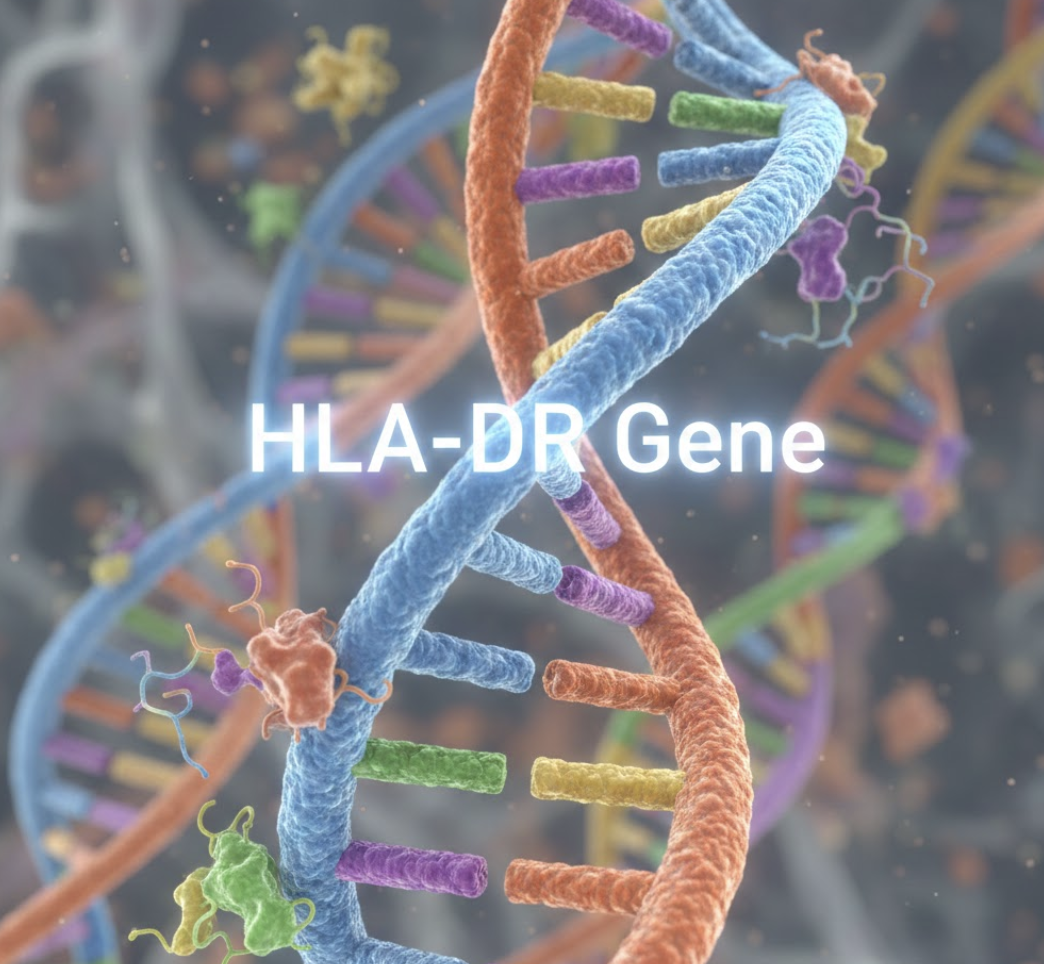
Yes, you can recover from mold-related illness with HLA-DR gene variants. If you've been told those variants make it "almost impossible" to recover, your genetics are not your destiny. While certain genetic markers genuinely affect how quickly your body processes mold toxins, they don't prevent recovery when you address the root causes properly.
I know this because I have those variants. And I recovered anyway.
Why does an HLA-DR result feel like a life sentence?
You finally found a practitioner who understood what you were going through. They ran the tests. And then came the words that landed like a punch to the gut:
"You have the genetic markers that make you susceptible to mold. Your body can't clear these toxins like other people can."
Maybe they showed you a chart. Maybe they explained something about your HLA-DR genes and how your immune system is essentially "blind" to mold toxins. Maybe they told you that you'd need to be on a strict protocol, possibly for the rest of your life.
And in that moment, something shifted. The hope you'd been holding onto, that you could actually get better, actually recover, actually have your life back, started to slip away.
I know that moment. I lived that moment.
And I'm here to tell you: it doesn't have to be your forever.
What is HLA-DR, in plain English?
HLA-DR stands for Human Leukocyte Antigen, DR subregion. It's part of a larger system called the Major Histocompatibility Complex (MHC), and its job is critical: it's how your immune system recognizes foreign threats.
Here's the simplest way to think about it. Your immune system is like a border security system. HLA-DR molecules are the customs officers. They pick up pieces of foreign substances (antigens) and present them to your T-cells, which are the agents who decide whether something is a threat and needs to be eliminated. Without proper antigen presentation, your immune system literally can't "see" certain threats well enough to mount a full response against them.
This system works brilliantly for most things. But certain mold-produced biotoxins, particularly the mycotoxins produced by water-damaged building molds like Stachybotrys, Aspergillus, and Penicillium, have molecular structures that some HLA-DR variants struggle to present effectively. When that happens, your immune system doesn't mount a proper clearance response. The mycotoxins circulate. They accumulate. And you get sick in ways that look baffling on standard tests, because standard tests weren't designed to detect this specific failure.
This is why two people can live in the same water-damaged building for the same amount of time and have completely different experiences. One person feels fine. The other develops chronic, progressive illness affecting multiple organ systems. Same house, same mold. Profoundly different immune response.
The person who got sick isn't weaker or more sensitive in some character flaw sense. They simply have a genetic variant that makes their immune system less equipped to handle this specific category of toxin.
Which HLA-DR variants matter for mold, and what do they do?
HLA-DR genes exist in multiple variants called haplotypes, specific combinations of alleles inherited from each parent. Research in immunogenetics, much of it originally conducted in the context of autoimmune disease and infectious disease susceptibility, has established that certain HLA-DR haplotype combinations are less efficient at presenting specific categories of antigens to the immune system.
For mold illness specifically, the relevant variants are those that impair presentation of biotoxin antigens, the molecular fragments your immune system needs to "see" clearly in order to tag mycotoxins for clearance. Some practitioners claim that roughly a quarter of people carry HLA-DR variants that make them slower to clear biotoxins. That figure comes from the Shoemaker literature, not from independent population genetics research, and I have not found it validated anywhere else. Within that group, a smaller subset carries haplotype combinations that affect multiple antigen-presenting pathways simultaneously, making them more vulnerable to a broader range of biotoxins, not just mold.
What these variants actually do mechanically:
They affect antigen presentation speed and efficiency. How quickly and effectively your immune system can flag mycotoxin molecules for destruction is reduced, not eliminated. The process is slower and less reliable, which means mycotoxins accumulate faster than they clear in the context of ongoing exposure.
They affect inflammatory regulation. People with certain susceptible HLA-DR variants tend to mount more aggressive and prolonged inflammatory responses once an immune reaction is triggered. This is partly why mold illness in genetically susceptible people often affects multiple organ systems simultaneously. The inflammatory signal keeps firing long after it should have resolved.
They influence your susceptibility threshold. How much exposure it takes to trigger illness is lower. Someone without susceptible variants might tolerate a water-damaged building for years before developing symptoms. Someone with susceptible variants may become significantly ill within weeks.
None of this means the system is broken beyond repair. It means it needs more intentional support to accomplish the same clearance task.
What does the research actually show about HLA-DR and mold illness?
Here is where the nuance matters enormously, because what the research actually shows and what patients are frequently told are two different things.
Research on HLA-DR variants and mycotoxin clearance consistently finds impaired clearance speed, not zero clearance. One analysis estimated that certain mycotoxins might take two to four years to fully clear in highly susceptible individuals compared to weeks or months in those without susceptible variants, assuming ongoing support and no continued re-exposure. That's slow. That's genuinely challenging. But it's not permanent accumulation with no endpoint.
Studies on mold-exposed populations have found that the presence of susceptible HLA-DR variants correlates with more severe initial symptom presentation and longer recovery timelines, but not with a binary inability to recover. In populations studied after workplace mold remediation, individuals with susceptible genetics did recover, though their timelines were longer and they required more intensive intervention.
Importantly, people without the so-called susceptible HLA-DR variants get sick from mold too. I have seen it in my own practice, and none of the peer-reviewed studies I rely on found that a particular HLA type was required to develop symptoms. This is a critical data point: genetics is a significant risk factor, but it's neither necessary nor sufficient on its own to cause mold illness. Exposure intensity, exposure duration, overall immune function, total toxic burden, and the presence of internal colonization all matter, often more than genetics alone in determining who gets sick and how severely.
What the research does not show is that HLA-DR susceptibility creates a permanent, irreversible condition that requires lifelong management. That interpretation isn't found in the peer-reviewed literature. It's a clinical extrapolation that got amplified into a narrative, and for many patients, a deeply disempowering one.
How did genetic susceptibility turn into genetic destiny?
The story of how a real and useful piece of immunological science became a narrative of permanent limitation is worth understanding, because it helps explain why so many people are stuck in protocols that aren't actually getting them better.
The mold illness field has been significantly shaped by one practitioner's framework, built around the idea that certain patients with HLA-DR susceptibility need to follow a multi-step protocol over an extended period before they can safely re-enter normal environments. That framework positioned HLA-DR susceptibility as a defining, chronic condition requiring ongoing management rather than a risk factor that increases recovery difficulty.
Here's the problem with the research behind the "restart" theory, the idea that mold-susceptible people essentially have to start their entire protocol over if they're re-exposed: it was never validated by rigorous science. The studies supporting it lacked control groups, had no blinding, and in some cases involved sending patients back into the same buildings that made them sick, without a placebo comparison to determine whether the observed effects were actually due to mold re-exposure or simply the psychological and physiological stress of returning to a place associated with severe illness. That's not a minor methodological gap. In any other area of medicine, that study design wouldn't survive peer review.
The economic reality compounded the problem. When a treatment framework positions patients as indefinitely susceptible to "starting over," it creates a dependency that's very difficult to distinguish from an effective treatment. Patients who don't get better stay in the protocol because they're told their genetics make recovery harder. Practitioners continue treating. The framework perpetuates itself.
None of this means the underlying genetics aren't real. They are. And none of it means people with susceptible HLA-DR variants don't face genuine obstacles. They do. But there's a meaningful difference between "this makes your recovery harder and requires more intentional support" and "this means you need permanent protocol management and must fear any future exposure."
The first is true. The second isn't supported by the evidence.
What do most HLA-DR protocols leave out?
Here's what I learned after 12 years, 30-plus doctors, and over $250,000 spent trying to get my health back:
Most mold protocols focus on helping your body eliminate toxins that are already circulating. Binders to capture them in the gut. Detox support to help the liver process them. Supplements to shore up depleted nutrients. Nasal rinses to clear the sinuses.
All of that can help. But what if the toxins keep being produced?
This is the piece that changed everything for me.
When mold colonizes inside your body, in your sinuses, your gut, or your respiratory tract, you don't just have a historical exposure to deal with. You have an ongoing, internal mycotoxin factory. And no amount of binders or detox support will keep up with a source that's continuously producing more toxins faster than your already-impaired clearance system can process them.
It's like trying to bail water out of a boat while ignoring the hole in the hull. You can work incredibly hard and still be losing ground.
For people with susceptible HLA-DR variants, this is especially relevant, because their slower clearance means the accumulation from internal colonization builds up faster and causes more harm than it might in someone without genetic susceptibility. The genetics don't cause the problem. But they amplify it significantly when internal colonization is present and unaddressed.
A Mayo Clinic study found positive fungal cultures in 96% of chronic sinusitis patients, and also in healthy volunteers, which tells me fungi in the sinuses are nearly universal and what matters is how an individual's immune system reacts to them. In my experience the sinuses are the most common place internal fungal growth hides, and clients who clear it often tell me their brain fog and mood symptoms lift along with the congestion.
When I finally addressed the actual colonization, working with a physician who understood antifungal treatment for mold illness, everything changed. Within weeks I started feeling better than I had in years. The brain fog lifted. The fatigue eased. My body finally had a chance to do what it was designed to do.
Your genetics weren't the primary problem. The ongoing source was.
Should You Get HLA-DR Testing?
This is a genuinely useful question that most practitioners either over-answer (everyone should get it) or under-answer (ignore the genetics entirely). Here's an honest take.
What HLA-DR testing can tell you: - Whether you have genetic variants associated with impaired mycotoxin clearance - Which specific haplotype combination you have, which can inform expectations about recovery timeline - Whether you fall into the smaller subset that may need more intensive support across multiple biotoxin categories
What HLA-DR testing cannot tell you: - Whether you currently have mycotoxins in your system - Whether you have internal mold colonization - How sick you are right now, or how sick you'll become - Whether a particular treatment protocol will work for you
The practical recommendation: HLA-DR testing is useful context, but it shouldn't be the first thing you prioritize or the primary driver of your treatment decisions. Blood testing for mycotoxin antibodies (IgG and IgE) tells you whether your immune system is actively responding to mycotoxin exposure right now, which is far more actionable information than knowing your genetic predisposition.
Many people spend years and thousands of dollars treating a genetic susceptibility before they've confirmed they actually have an active mycotoxin burden driving their symptoms. Confirm the active problem first. Then layer in genetic context if it's useful for setting expectations.
HLA-DR typing is typically done through a simple blood draw and ordered through labs like LabCorp. Many functional medicine practitioners can order it, though your conventional physician may be unfamiliar with the clinical context.
If you've already been tested and told your variants make recovery unlikely, the rest of this post is specifically for you.
What actually matters for recovery if you have the variants?
After everything I've been through, and now helping other families navigate this, here's what I've found consistently matters most, with or without susceptible genetics.
Confirm what you're actually dealing with before you spend another dollar. Blood testing for mycotoxin antibodies tells you whether your immune system is actively fighting a mycotoxin burden right now. This is different from genetic testing. It tells you about your current state, not your predispositions. Many people spend years treating a condition they've never confirmed with objective blood markers.
Address the source, including internal sources. Leaving a moldy environment is essential but often insufficient. If mold has colonized internally, which is far more common than most practitioners recognize, removing yourself from external exposure doesn't stop the mycotoxin production. Working with a physician who understands internal fungal colonization and appropriate antifungal treatment is what actually turns the tide for many people who've failed other protocols.
Support your nervous system deliberately. Chronic illness rewires your nervous system into a sustained threat-response state. Physiologically, a body stuck in fight-or-flight cannot heal efficiently. The resources that would otherwise go toward repair are diverted toward defense. Neuroplasticity-based approaches like DNRS and Primal Trust aren't peripheral add-ons to mold recovery. For many people, especially those with long illness histories, they're load-bearing.
Build a foundation for long-term health, not permanent dependency. True recovery isn't about managing a genetic limitation forever. It's about addressing the actual infection, reducing your total toxic burden, supporting your detox pathways, and building the kind of physical and lifestyle foundation that helps your immune system function at its best even with a genetic disadvantage. People with susceptible HLA-DR variants can and do maintain their health without ongoing intensive protocols, once the underlying drivers are actually resolved.
Can you get your life back with HLA-DR variants?
I won't pretend this path is easy. It's not.
I spent 12 years searching for answers. I saw doctors who didn't even believe me, practitioners who put me on protocols that kept me stuck, and specialists who charged thousands of dollars for tests that didn't change anything.
But I found my way through. And the narrative I was given, that my genetics meant I'd never fully recover, wasn't the whole truth. It was one data point, given too much weight, in the absence of addressing the actual problem.
Your HLA-DR variants affect how your body clears mycotoxins. They don't determine whether you recover. They don't determine whether you can have your life back. They're one variable in a complex system that responds powerfully to the right intervention.
I'm one of many people with susceptible genetics who recovered fully. And I now help other families find the same path faster, without the twelve years and the quarter million dollars.
Your genes are not your destiny. Your story isn't over.
If you're not sure where to start, our free mold symptoms assessment is a good first step toward understanding what's actually happening in your body, and what to do about it.
Sources
- Holoshitz J. "The quest for better understanding of HLA-disease association: scenes from a road less travelled by." Discovery Medicine. 2013;16(87):93-101. https://pubmed.ncbi.nlm.nih.gov/23998445/
- Trowsdale J, Knight JC. "Major histocompatibility complex genomics and human disease." Annual Review of Genomics and Human Genetics. 2013;14:301-323. https://pubmed.ncbi.nlm.nih.gov/23875801/
- Brewer JH, Thrasher JD, Straus DC, Madison RA, Hooper D. "Detection of mycotoxins in patients with chronic fatigue syndrome." Toxins (Basel). 2013;5(4):605-617. https://pubmed.ncbi.nlm.nih.gov/23580077/
- Ponikau JU, Sherris DA, Kern EB, et al. "The diagnosis and incidence of allergic fungal sinusitis." Mayo Clinic Proceedings. 1999;74(9):877-884. https://pubmed.ncbi.nlm.nih.gov/10488788/
- Campbell AW, Thrasher JD, Gray MR, Vojdani A. "Mold and mycotoxins: effects on the neurological and immune systems in humans." Advances in Applied Microbiology. 2004;55:375-406. https://pubmed.ncbi.nlm.nih.gov/15350803/
- Campbell AW, Thrasher JD, Madison RA, Vojdani A, Gray MR, Johnson A. "Neural autoantibodies and neurophysiologic abnormalities in patients exposed to molds in water-damaged buildings." Archives of Environmental Health. 2003;58(8):464-474. https://pubmed.ncbi.nlm.nih.gov/15259425/
- Mendell MJ, et al. "Respiratory and allergic health effects of dampness, mold, and dampness-related agents: a review of the epidemiologic evidence." Environmental Health Perspectives. 2011;119(6):748-756. https://pubmed.ncbi.nlm.nih.gov/21269928/
- Gray MR, Thrasher JD, Crago R, et al. "Mixed mold mycotoxicosis: immunological changes in humans following exposure in water-damaged buildings." Archives of Environmental Health. 2003;58(7):410-420. https://pubmed.ncbi.nlm.nih.gov/15143854/
- National Center for Biotechnology Information. "HLA-DR." NCBI Gene. https://www.ncbi.nlm.nih.gov/gene/3123
- Centers for Disease Control and Prevention. "Mold: Basic Facts." CDC. https://www.cdc.gov/mold/faqs.htm
Frequently Asked Questions
Will I ever feel normal again if I have HLA-DR susceptibility variants?
Yes. Many people with HLA-DR genetic variants recover fully from mold illness. Your variants affect the speed and efficiency of mycotoxin clearance, not the possibility of recovery. With proper intervention, particularly addressing internal colonization and ongoing exposure sources, your body can heal. Genetics set the playing field; they don't determine the outcome.
Which HLA-DR variants are associated with mold susceptibility?
Certain HLA-DR haplotype combinations have been associated with reduced efficiency in biotoxin antigen presentation, based on population genetics research. Approximately 24% of the general population carries at least one susceptible variant. A smaller subset carries combinations that affect multiple antigen-presenting pathways, making them more vulnerable to a broader range of biotoxins. Your testing results should specify which haplotypes you have, which your practitioner can use to inform recovery expectations.
How long does recovery take with susceptible genetics?
It varies widely based on how long you were exposed, whether internal colonization is present, the quality of your treatment approach, and how well you support your body's healing. Research suggests mycotoxin clearance can take two to four years in genetically susceptible individuals without active treatment targeting the source, but with appropriate antifungal treatment addressing internal colonization, many people see significant symptom improvement within weeks to months. Treating the source directly is the single biggest accelerant of the recovery timeline.
Do I need to be on protocols forever because of my genetics?
No. Genetic susceptibility does not require lifelong treatment protocols. The goal of proper treatment is to eliminate the source of mycotoxin production (both environmental and internal), support clearance, and build the kind of immune and physiological foundation that lets your body maintain health without ongoing intensive intervention. Indefinite protocol dependence is a sign the underlying source hasn't been fully addressed, not an inevitable consequence of your genetics.
Is HLA-DR testing worth getting?
It's useful context, but not the first thing to prioritize. Confirming active mycotoxin exposure through blood antibody testing is more immediately actionable. It tells you what's happening in your body right now, not just your predispositions. If you already know you have mold illness and want to better understand your recovery trajectory, HLA-DR typing adds valuable information. If you're still trying to confirm whether mold is your problem at all, start with antibody testing first.
Can I live in a house that had mold if I have susceptible genetics?
After proper remediation and independent clearance testing confirming safe mold levels, yes. People with genetic susceptibilities can live in previously affected homes. The key is ensuring remediation was thorough, including the attic, crawlspace, and HVAC system, and maintaining good air quality with appropriate ventilation and air purification. Your lower tolerance for exposure means you want more margin built in, not permanent avoidance of any home with a history.
Should I avoid all mold exposure forever because of my genetics?
No, and this is important. Complete mold avoidance is both impossible and unnecessary. Mold spores exist in every outdoor and indoor environment at background levels. The goal is avoiding significant exposure, not eliminating all contact. Once your active mycotoxin burden is resolved and your immune system is functioning better, your body can handle normal environmental exposure levels. Fear-based total avoidance keeps your nervous system in threat mode and actively impairs recovery.
What is the difference between having the gene variants and actually being sick from mold?
Having HLA-DR susceptibility variants means your body processes mycotoxins more slowly, but it doesn't guarantee illness. Significant mold exposure is still required to trigger mold illness, even in genetically susceptible people. Many people with susceptible variants never develop mold-related illness because they haven't had significant enough exposure, or their overall health is strong enough to compensate. The gene variants increase your risk and vulnerability; they don't cause illness in the absence of exposure.
Why do some mold illness practitioners say recovery is so difficult with these genes?
The belief that HLA-DR susceptibility makes recovery exceptionally difficult and requires indefinite protocol management comes largely from a single practitioner's clinical framework that became widely adopted in the mold illness community. The research supporting the most restrictive aspects of that framework was never validated through rigorous study design. The studies lacked control groups, had no blinding, and in some cases involved re-exposing patients to the same environments that originally made them sick. The underlying genetics are real. The extent to which they require permanent protocol dependency is not well supported by the evidence.
How do I find a doctor who understands HLA-DR and mold illness?
Look for physicians who are familiar with biotoxin illness, understand the difference between mold allergy and mold toxicity, and are willing to order and interpret mycotoxin antibody blood testing alongside genetic testing. Many functional medicine physicians and some integrative medicine practitioners have this knowledge. Our coaching program can help connect you with practitioners who use evidence-based approaches to mold illness treatment.

Aubree Felderhoff
Board Certified Holistic Health Practitioner | Mold Recovery Concierge | Certified Primal Health Coach | Master Personal Trainer
Aubree spent 12 years and more than $250,000 searching for answers to a mystery chronic illness that 30-plus doctors couldn't solve. The first culprit was a mycotoxin-overloaded home that triggered a cascade of symptoms nobody could trace back to the source. After finally identifying the connection, remediating, and rebuilding her health, she faced a second exposure years later when water damage in her next home brought the symptoms flooding back.
That second experience is what shaped everything. She found a physician who understood antifungal treatment, completed neuroplasticity training, and fully recovered. Having navigated mold illness twice, from two different sources, she understands both how it starts and how it ends.
Aubree is a Board Certified Holistic Health Practitioner through the American Association of Drugless Practitioners (AADP), a Certified Primal Health Coach, NASM Certified Trainer, and Cooper Clinic Certified. Before mold illness defined her life, she spent 14 years in elite fitness as a national champion collegiate gymnast. She brings that same discipline and evidence-based approach to mold recovery, helping families get clear answers faster, without the decade of wrong turns she endured.
The newsletter
A little hope in your inbox
One email a week from me, with what actually helps families get better. No spam, unsubscribe anytime.
Keep learning with mold illness guides
Start-here pages on symptoms, testing, CIRS, remediation, and hiring an inspector. Free tools and program paths are linked from each guide.
- What Is CIRS and Mold Illness?What people mean by CIRS, where labels help or hurt, and why forever protocols are not the path I teach families.
- How to Test for Mold IllnessWhy blood testing comes first, where urine mycotoxin and ERMI fall short, and how to order body vs home testing without wasting money.
- Mold Illness Symptoms GuideHow mold-related symptoms show up across body systems, why they get misdiagnosed, and when a pattern points to exposure.
Need personalized guidance?
Start with free guides and the symptom assessment, or talk with Aubree about the right program path.