
What Does Black Mold Do to Your Health?
Quick Answer
Black mold affects the brain, sinuses, and immune system through spores and mycotoxins. What the research shows, why some people stay sick, and what to do first.
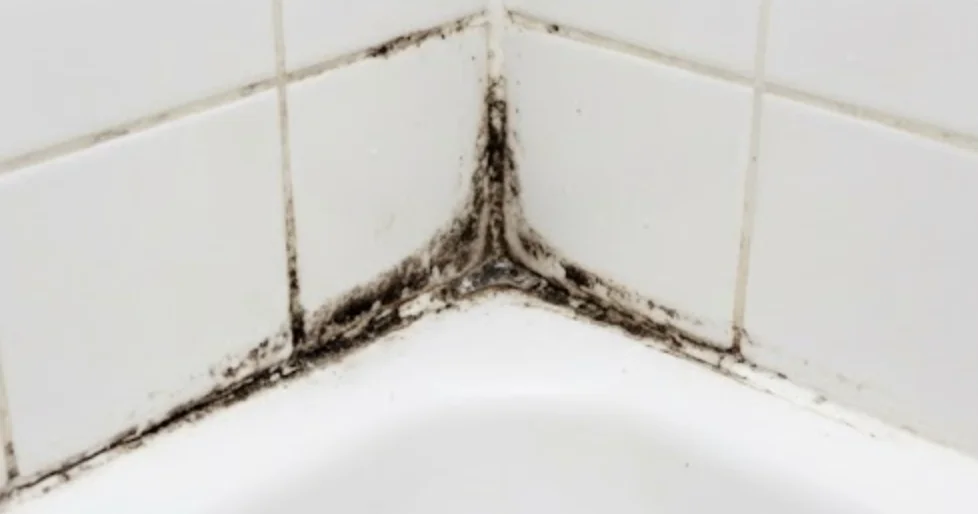
Black mold affects your health two ways: the spores and fragments you breathe irritate the airways and immune system, and the mycotoxins the mold produces can reach the brain, where they drive inflammation, memory problems, fatigue, and mood changes. Most of those effects improve once the exposure ends, and the ones that do not usually come down to mold that has colonized the body. Here is what the research shows, what it looks like in real life, and what to do about it, in order.
I spent twelve years sick before anyone connected my symptoms to the house. More than thirty doctors, and well over $250,000 spent on treatments that were aimed at the wrong thing. I am not writing this to scare you. I am writing it so you can skip the years I lost.
What Is Black Mold, and Why Is It Different?
"Black mold" almost always means Stachybotrys chartarum, a greenish-black mold that grows on wet, cellulose-rich materials: drywall paper, wood framing, ceiling tiles, carpet backing, cardboard. It needs sustained moisture, so it shows up after roof leaks, burst pipes, flooding, slow plumbing drips inside walls, and chronic condensation in bathrooms and basements.
What sets Stachybotrys apart from the mold on old bread is chemistry. It produces trichothecene mycotoxins, including satratoxins, which are among the most biologically active compounds any indoor mold makes. A review in Toxicological Sciences describes trichothecenes as potent inhibitors of protein synthesis and activators of cellular stress pathways. In plain terms, they interfere with how cells do their basic work and trigger the body's alarm systems.
Two things worth knowing before you go further. First, Stachybotrys is not the only mold that matters. Aspergillus, Penicillium, Chaetomium, and Fusarium all produce mycotoxins of their own and are far more common in water-damaged homes. Second, color tells you almost nothing. Plenty of dark molds are not Stachybotrys, and Stachybotrys can be hidden behind a wall you never see. The question is never "is it black," it is "is there water damage and is someone in the house getting sick."
What Does Black Mold Do to Your Brain?
The brain is where black mold exposure tends to show up first, and it is the part doctors are least likely to connect to the house.
In 2020, researchers at the City University of New York published a study in Brain, Behavior, and Immunity in which mice inhaled either toxic Stachybotrys spores or non-toxic spores three times a week. The toxic spores triggered inflammation in the hippocampus, the memory center of the brain, and both groups showed reduced growth of new neurons and measurable memory deficits, with anxiety-like behavior and heightened pain sensitivity showing up depending on spore type and the age of the mice. The non-toxic spores caused harm too, which matters: the immune response to mold itself, not only the toxins, is enough to affect the brain.
In people, the pattern matches. A study of hospital staff in Helsinki who worked in a water-damaged building found neurological symptoms were 6.6 times more common in the exposed group than in controls. The symptoms they reported are the ones I hear on nearly every call:
- Brain fog thick enough that reading a paragraph twice still does not land
- Short-term memory problems that feel like early dementia
- Trouble concentrating or finishing a thought
- Anxiety that arrives with no trigger
- Low mood, irritability, and emotional flatness
- Word-finding problems and mental fatigue by mid-afternoon
If you have been told this is anxiety, burnout, or perimenopause, and the symptoms are worse at home and better on vacation, the house deserves a look.
What Other Symptoms Does Black Mold Cause?
Beyond the brain, the effects are whole-body because the immune system is involved. The National Academies' review Damp Indoor Spaces and Health found sufficient evidence linking damp, moldy buildings to upper respiratory symptoms, cough, wheeze, and asthma symptoms in sensitized people, and the World Health Organization's guidelines on indoor dampness and mould reached the same conclusion.
In practice, families dealing with black mold describe:
- Fatigue that sleep does not fix, often paired with waking unrefreshed
- Sinus congestion, post-nasal drip, and sinus infections that keep coming back
- Headaches, especially in the morning or after time in one room
- Skin rashes, hives, or itching with no clear allergen
- Joint and muscle aches that move around
- Frequent colds and infections, as if the immune system is distracted
- Digestive upset, food reactions, and new sensitivities to chemicals or scents
Children often show it differently: behavior changes, new anxiety, trouble at school, bed-wetting that had stopped, and constant stuffy noses. I wrote about that pattern in why your child's behavior changes might be mold exposure.
The tell is not any single symptom. It is the cluster, plus the timing. Symptoms that started after a leak, a move, or a renovation, and that ease when you are away from the house for a week, point at the building.
Why Do Some People Get Sick and Others in the Same House Do Not?
This is the question that keeps families doubting themselves. One person is bedridden, the spouse feels fine, and the doctor concludes it cannot be the house.
Three things explain it. Exposure is uneven: the person who works from home in the room over the crawlspace gets a different dose than the one who is gone eleven hours a day. Genetics play a role in how efficiently the body clears mycotoxins, which I cover in recovering from mold illness with the HLA-DR gene. And prior load matters: someone who already carries a high toxin burden, a stressed immune system, or a previous exposure has less room before symptoms show.
None of that means the sensitive person is imagining it. It means the house is affecting the person with the least margin first.
Why Doesn't Leaving the House Always Fix It?
Removing the exposure is the single most important step, and for many people it is enough. The research on that is consistent, and I walked through four studies covering more than a million people in is leaving a moldy home enough to heal.
But some people leave and stay sick, and the reason is that mold can take up residence in the body. A study published in the journal Toxins found that 93 percent of chronic fatigue patients, most with a current or past history of water-damaged buildings, had mycotoxins detectable in urine, and a follow-up paper proposed that mold harbored in the sinuses keeps producing them. The authors consider the sinuses the most likely site. A Mayo Clinic study cultured fungus from 96 percent of chronic sinusitis patients. The gut and lungs can host colonization as well.
So the sequence is: stop the exposure, then find out whether the mold came with you. That second step is where blood testing earns its place, and it is why I have people test their body before they spend on environmental testing.
Should You Clean Black Mold Yourself?
No, not if it covers more than a small patch or if anyone in the home is already symptomatic.
Disturbing mold releases spores and fragments far smaller than spores. Research on fungal fragments shows they can be submicron in size, small enough to get past the nose and throat and deep into the lungs, and they carry mycotoxins with them. A hardware-store mask and a bleach bottle do not address that, and bleach on porous drywall leaves the roots in place while adding moisture.
Killing the mold does not remove the risk either. Dead spores and fragments still carry mycotoxins, and the toxins are chemically stable. Health effects from non-viable mold are comparable to effects from living mold, which is why "we sprayed it and it is gone" so often precedes a relapse.
Proper remediation means containment of the work area under negative air pressure, HEPA filtration, removal (not treatment) of contaminated porous materials, fixing the moisture source, and independent clearance testing afterward. I break down what a good job looks like, and what the bids should say, in the mold remediation guide.
Should You Order an ERMI Test?
I would not start there. The ERMI (Environmental Relative Moldiness Index) is a DNA test of settled dust that reports 36 mold species. The EPA, which developed it, describes it as a research tool that has not been validated for routine use in homes or for making remediation or health-care decisions, and the agency's own homeowner mold guidance does not recommend it at all.
ERMI tells you what has settled over time, not what you are breathing now, it does not measure mycotoxins, and results take weeks while you keep living in the exposure. It can be a rough screening signal, but it is not a substitute for a professional inspection. My full reasoning is in why the ERMI test is usually a waste of money.
What Should You Do If You Find Black Mold?
Here is the order I use with clients. It is the order that gets answers fastest and wastes the least money.
1. Pay attention to the pattern
Note who is sick, which symptoms, and whether they change when you leave for a few days. Write it down. This is the evidence that will help you and your doctor later. If you want a structured starting point, the free mold symptoms assessment takes about five minutes.
2. Test the body
A blood test can show whether your immune system is reacting to mold and mycotoxins. It is affordable compared with an inspection, it tells you whether mold is your problem at all, and it gives you a baseline to measure recovery against. I explain what it shows and how it differs from urine tests in why your mold tests keep coming back normal.
3. Hire a real inspector
Not a mail-away kit. Someone who comes to the house, finds the moisture source, takes air samples compared with an outdoor baseline, checks the attic, HVAC, and wall cavities, and does not also sell remediation. Expect to pay $300 to $1,500 or more depending on the home. How to find a good mold inspector covers the questions to ask and the red flags.
4. Remediate under containment, then verify
Fix the water problem first or the mold returns. Then have the contaminated material removed under containment, and have a third party confirm the air is clear before you move anything back in. Skipping clearance is the most common reason families end up sick in a "remediated" home.
5. Address the body
If symptoms continue after the exposure is gone, work with a physician who understands mold-related illness on the colonization and detox side. Removing the mold from the house is necessary. For many people it is not the last step.
A consultation can help you sort out which of these steps you actually need and in what order.
How Long Does Recovery From Black Mold Take?
For most people, the first improvements come within weeks of ending the exposure: better sleep, clearer mornings, fewer headaches. Steady recovery over the following months is typical when the house is truly clear and the body is supported.
Longer timelines usually have one of three explanations: the exposure has not really ended (a hidden source, a second property, a car, a workplace), the mold has colonized the sinuses or gut and needs treatment, or the nervous system has learned to stay in alarm mode and needs retraining. Each of those is fixable. The mistake is spending years on supplements without checking which one applies.
Sources
- Pestka JJ, et al. Stachybotrys chartarum, trichothecene mycotoxins, and damp building-related illness: new insights into a public health enigma. Toxicological Sciences, 2008. https://pubmed.ncbi.nlm.nih.gov/18007011/
- Harding CF, et al. Mold inhalation causes innate immune activation, neural, cognitive and emotional dysfunction. Brain, Behavior, and Immunity, 2020. https://pubmed.ncbi.nlm.nih.gov/31751617/
- Hyvönen S, et al. Moist and Mold Exposure is Associated With High Prevalence of Neurological Symptoms and MCS in a Finnish Hospital Workers Cohort. Safety and Health at Work, 2020. https://pubmed.ncbi.nlm.nih.gov/32596012/
- Ponikau JU, et al. The diagnosis and incidence of allergic fungal sinusitis. Mayo Clinic Proceedings, 1999. https://pubmed.ncbi.nlm.nih.gov/10488788/
- Brewer JH, et al. Detection of mycotoxins in patients with chronic fatigue syndrome. Toxins, 2013. https://pubmed.ncbi.nlm.nih.gov/23580077/
- Brewer JH, et al. Chronic illness associated with mold and mycotoxins: is naso-sinus fungal biofilm the culprit? Toxins, 2013. https://pubmed.ncbi.nlm.nih.gov/24368325/
- Institute of Medicine (National Academies). Damp Indoor Spaces and Health, 2004. https://nap.nationalacademies.org/catalog/11011/damp-indoor-spaces-and-health
- World Health Organization. WHO Guidelines for Indoor Air Quality: Dampness and Mould, 2009. https://www.who.int/publications/i/item/9789289041683
- U.S. Environmental Protection Agency. A Brief Guide to Mold, Moisture and Your Home. https://www.epa.gov/mold/brief-guide-mold-moisture-and-your-home
Frequently Asked Questions
What are the first signs of black mold exposure?
Usually sinus congestion, headaches, and a tiredness that sleep does not fix, followed by brain fog and low mood. The tell is timing: symptoms that started after a leak or a move and that ease when you are away from the house for several days point at the building.
How long does it take to get sick from black mold?
Some people react within days of a water event; others take months of low-level exposure before symptoms become obvious. Dose, how much time you spend in the affected room, and how well your body clears mycotoxins all change the timeline.
Is black mold always visible?
No. Most of the black mold I see in client homes is inside wall cavities, under flooring, in the HVAC system, or behind cabinets where a slow leak went unnoticed. A musty smell or symptoms that track with the house are reasons to look even when nothing shows.
Will I ever feel normal again after black mold exposure?
Most people do. The first improvements usually come within weeks of ending the exposure and continue over the following months. Longer timelines almost always trace back to a hidden source that was not found, mold that colonized the sinuses or gut, or a nervous system that needs retraining.
Can I just move out and skip treatment?
Moving out is the most important step and for many people it is enough. If symptoms continue after you are out, the likely reason is mold harbored in the body, which a blood test can help confirm. That is a treatment conversation with a physician, not something to wait out.
How do I know if my symptoms are mold or something else?
Start with the pattern: worse at home, better away, and a cluster of brain, sinus, and fatigue symptoms together. Then test. A blood test that shows whether your immune system is reacting to mold gives a clearer answer than any single symptom, and it costs less than an inspection.
Can an air purifier fix a black mold problem?
No. A HEPA air purifier lowers the spores and fragments in the air and is worth running during and after remediation, but it cannot remove mold growing in a wall or fix the moisture feeding it. Purifiers support remediation; they do not replace it.
How much does black mold remediation cost?
A contained single-room job often runs $1,500 to $5,000. Whole-house remediation with HVAC work and material removal can reach $15,000 or more. Expect a separate $300 to $1,500+ for a proper inspection first, and budget for independent clearance testing at the end.

Aubree Felderhoff
Board Certified Holistic Health Practitioner | Mold Recovery Concierge | Certified Primal Health Coach | Master Personal Trainer
Aubree spent 12 years and more than $250,000 searching for answers to a mystery chronic illness that 30-plus doctors couldn't solve. The first culprit was a mycotoxin-overloaded home that triggered a cascade of symptoms nobody could trace back to the source. After finally identifying the connection, remediating, and rebuilding her health, she faced a second exposure years later when water damage in her next home brought the symptoms flooding back.
That second experience is what shaped everything. She found a physician who understood antifungal treatment, completed neuroplasticity training, and fully recovered. Having navigated mold illness twice, from two different sources, she understands both how it starts and how it ends.
Aubree is a Board Certified Holistic Health Practitioner through the American Association of Drugless Practitioners (AADP), a Certified Primal Health Coach, NASM Certified Trainer, and Cooper Clinic Certified. Before mold illness defined her life, she spent 14 years in elite fitness as a national champion collegiate gymnast. She brings that same discipline and evidence-based approach to mold recovery, helping families get clear answers faster, without the decade of wrong turns she endured.
The newsletter
A little hope in your inbox
One email a week from me, with what actually helps families get better. No spam, unsubscribe anytime.
Keep learning with mold illness guides
Start-here pages on symptoms, testing, CIRS, remediation, and hiring an inspector. Free tools and program paths are linked from each guide.
- Mold Remediation GuideWhat proper remediation looks like, how to separate inspection from the fix, and what to do when you are still sick after the work.
- How to Test for Mold IllnessWhy blood testing comes first, where urine mycotoxin and ERMI fall short, and how to order body vs home testing without wasting money.
- Mold Illness Symptoms GuideHow mold-related symptoms show up across body systems, why they get misdiagnosed, and when a pattern points to exposure.
Need personalized guidance?
Start with free guides and the symptom assessment, or talk with Aubree about the right program path.