
Mold Symptoms After Remediation: Is This Normal?
Quick Answer
Still feeling sick after mold remediation? You're not alone. Learn why symptoms persist after mold removal, what a realistic recovery timeline looks like, and what you can do right now to support your body.
In This Article
- Why Symptoms Persist After Remediation (It's Not What You Think)
- Your Body Needs Time to Recover
- Was the Remediation Actually Complete?
- The Hidden Toxin Load: Mycotoxins in Your Body
- What Blood Testing Reveals That Air Tests Miss
- How Your Nervous System Is Keeping You Sick
- Other Factors That Slow Recovery
- A Realistic Recovery Timeline
- What You Can Do Right Now
- When to Be Concerned
- The Bottom Line
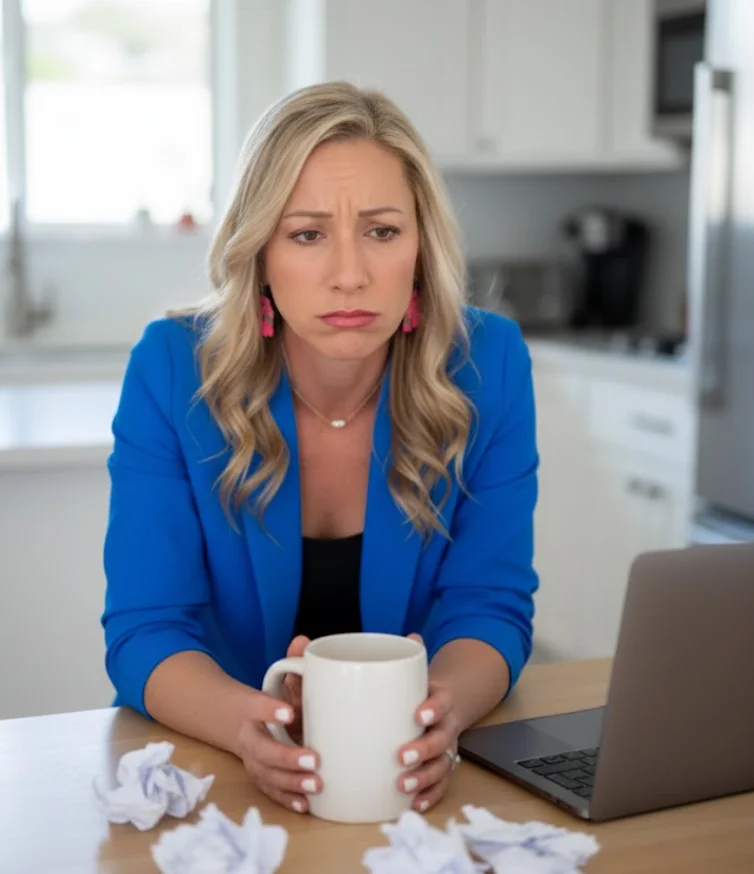
You just spent thousands of dollars on mold remediation. Your inspector says the air quality is clear. But you still feel awful, and you have no idea why.
I get this question almost every single day. Families reach out confused, frustrated, and honestly scared, because they're still dealing with brain fog, crushing fatigue, and respiratory issues weeks or even months after their mold problem was supposedly "fixed." The remediation company cleared out, handed you a clearance report, and walked away. So why do you still feel like this?
Here's the truth: a clean air test does not mean a healed body. And understanding the difference between those two things is the key to finally making sense of what you're experiencing.
Why Symptoms Persist After Remediation (It's Not What You Think)
Most people assume at once the mold is physically removed from their home, they should start feeling better fairly quickly. A week, maybe two. When that doesn't happen, they start wondering if the mold is still there, if they imagined the whole thing, or if there's something permanently wrong with them.
None of those are usually the explanation.
What's actually happening is more nuanced. Mold exposure doesn't just affect your lungs while you're breathing spores. It triggers a systemic inflammatory response, your immune system starts producing antibodies against the mycotoxins (the toxic compounds that mold produces), and that reaction doesn't just switch off the moment the mold is gone. Think of it like a fire alarm that's still blaring even after the fire has been put out.
Beyond that, mycotoxins themselves can remain in your body long after exposure ends, and the cumulative stress of months or years of mold illness affects everything from your nervous system to your nutrient absorption. Recovery is a biological process that takes time, and it looks different for everyone.
Your Body Needs Time to Recover
Think about it this way: if you broke your leg, the moment the cast comes off doesn't mean the bone is instantly healed. Your body was dealing with a toxic exposure, possibly for months or years. Even after the mold is gone, your immune system is still in overdrive mode, producing inflammatory cytokines, running on high alert, and processing the aftermath of prolonged mycotoxin exposure.
I worked with a family recently where the mom kept saying, "But the air test came back clean!" She couldn't understand why her daughter was still having asthma attacks three weeks post-remediation. The reality? Her daughter's airways were inflamed from months of exposure. Clean air doesn't reverse inflammation overnight.
Inflammation doesn't disappear on a schedule. For some people with shorter exposures and generally healthy detox pathways, the worst symptoms start improving within a few weeks of leaving a clean environment. For others, especially those with longer exposures, genetic susceptibilities, or compromised health, the recovery process is slower and needs deliberate support.
This is not a sign that you won't recover. It's a sign that your body did exactly what it was designed to do, fight hard to protect you, and now it needs help coming back down from that fight.
Was the Remediation Actually Complete?
Before we go further, I want to be honest about something uncomfortable: not all remediations are done correctly. This is actually one of the most common reasons families are still symptomatic after "remediation", because the job wasn't finished.
A proper mold remediation should include:
- Air quality testing before and after the work, with samples taken in multiple areas
- Moisture readings throughout the home, not just in visible problem areas
- A comparison of indoor air quality to outdoor baseline levels (not just indoor pre-vs-post)
- Inspection of commonly missed areas: attic, crawl space, inside walls, under flooring, and around HVAC components
If your remediation company did a visual inspection and surface swabs only, that's often not sufficient. If they tested one area but not the whole home, you may have a second hidden source you don't know about.
One client came to me after spending $15,000 on remediation but was still waking up with daily headaches. Turns out, the company never checked the attic. That's where the biggest problem was hiding. You literally cannot heal if you're still being exposed, even at lower levels.
If you have any doubt about your remediation's completeness, the most important thing you can do right now is verify it before spending any more energy on recovery support.
If the remediation was done well and symptoms still creep back months later, the next question is whether the mold itself returned. I cover what causes that, and how to tell, in can mold come back after remediation.
The Hidden Toxin Load: Mycotoxins in Your Body
Even when your environment is truly clean, your body may still be carrying a significant mycotoxin burden. Mycotoxins, the toxic secondary metabolites that mold produces, don't just pass through your system harmlessly. They can bind to tissues, disrupt cellular function, and trigger ongoing immune reactivity long after the original source is removed.
Research has shown that certain mycotoxins, including ochratoxin A and aflatoxin, can persist in the body and continue causing biological effects. Your liver and kidneys are the primary organs responsible for processing and excreting these compounds, but if those detox pathways are already stressed, which is common after prolonged mold exposure, clearance takes longer.
This is an important reason why some people feel improvement plateau after the initial relief of leaving a moldy environment. The environment is clean, but the body is still working through its internal load. Supporting your liver, staying well hydrated, getting adequate sleep, and reducing other toxic inputs during this period helps your body do the clearance work it needs to do.
For a plain-language walkthrough of what these compounds are and how they get into the body, read what mycotoxins are and how they affect your health.
What Blood Testing Reveals That Air Tests Miss
If your bloodwork keeps coming back normal even though you feel sick, there is a specific reason for that. I explain why standard tests miss mold, and the blood test that actually finds it, in why your mold tests keep coming back normal.
One of the most frustrating experiences in mold illness is testing that comes back "normal" when you clearly don't feel normal. Standard environmental tests (ERMI, air samples) tell you about your environment. Standard allergy panels tell you about IgE-mediated allergies. But neither of those tests looks at what's actually happening inside your body's immune response to mycotoxin exposure.
The test that gives the most clinically useful picture is blood serum mycotoxin antibody testing, looking specifically at IgG and IgE antibody levels against common mycotoxins. When your body has been exposed to mycotoxins over time, your immune system produces antibodies against them. Those antibodies remain elevated in your blood and can be measured.
This is meaningful for a few reasons:
- It confirms that your immune system has genuinely been reacting to mold exposure, which validates your symptoms when other tests say "normal"
- Elevated antibody levels post-remediation tell you your immune system is still activated, even when the environment is clean
- Tracking these levels over time gives you a concrete marker of whether your body is actually recovering
This approach, starting with blood testing to understand your body's immune response, is what I believe in, and it's what gave me and my family clarity after years of frustrating inconclusive testing. You can read more about this approach on the Mold Assessment page.
How Your Nervous System Is Keeping You Sick
This is the piece that almost nobody talks about, and it's one of the most significant factors in prolonged post-remediation symptoms.
Your nervous system has been in a state of chronic threat response during mold exposure. The limbic system, the part of your brain that processes threat and safety signals, adapts to prolonged illness by staying in a heightened state. This is a protective mechanism, but it can persist even after the original threat is removed.
In practice, this means your nervous system may continue generating symptoms, fatigue, hypersensitivity, sleep disruption, pain signals, when your environment is objectively safe and your immune response is starting to calm down. Some people describe this as feeling like their body is "stuck" in sick mode even when things around them have improved.
This isn't psychological weakness or hypochondria. It's a real physiological phenomenon, the nervous system learned a pattern and keeps running it. The good news is that the nervous system is also highly adaptable, and targeted neuroplasticity-based approaches can support recovery. Programs like DNRS and Primal Trust are specifically designed for this, and they've been meaningful parts of recovery for many people I work with.
Other Factors That Slow Recovery
Stress and nervous system activation. Let's be real, dealing with mold is incredibly stressful. The financial hit, the uncertainty, the dismissal from doctors who don't understand mold illness, the disruption to your family's life. All of this keeps your stress response activated, and a chronically activated stress response suppresses immune function and impairs healing. Managing stress during recovery isn't a luxury, it's a biological necessity.
Sleep quality. Your body does the majority of its cellular repair and immune regulation during deep sleep. Mold illness frequently disrupts sleep architecture, making it harder to fall asleep, stay asleep, or reach deep restorative stages. If your sleep is still poor post-remediation, it's one of the highest-leverage things to address.
Nutrient deficiencies. Mycotoxin exposure affects nutrient absorption and depletes key micronutrients, particularly glutathione (your body's master antioxidant), magnesium, B vitamins, and zinc. These deficiencies don't self-correct immediately, and they matter because many of them are required for your detox pathways to function properly. A targeted (not shotgun) supplementation approach based on testing is more effective than trying to take everything.
Ongoing low-level exposures you haven't identified. Your car, your workplace, belongings that came with you from the moldy home, or even a friend's house you spend time in. Re-exposure at lower levels can maintain immune activation and prevent the recovery momentum from building. During active recovery, it's worth being intentional about your environment across the board, not just at home.
Comorbid infections. Prolonged mold illness suppresses immune function, which can allow opportunistic infections, particularly certain bacterial and viral issues, to take hold. If your recovery seems to plateau despite a clean environment and solid foundational support, this is worth investigating with a mold-literate practitioner.
A Realistic Recovery Timeline
There is no universal timeline for mold recovery, and anyone who gives you a guaranteed timeframe without knowing your history is oversimplifying. That said, here are general patterns that research and clinical experience support:
Weeks 1, 4 after remediation: Most people with shorter exposures start to notice some improvement in their most acute symptoms, respiratory irritation often improves fastest. If you're feeling significantly worse than before remediation, that may indicate the remediation process stirred up additional spores, and you should consult with your inspector.
Months 1, 3: For many people, this is when more substantial improvement in energy, cognitive function, and inflammatory symptoms begins. The pace depends heavily on exposure duration, individual health, and the quality of support you're providing your body.
Months 3, 6: People with longer exposures or more significant immune reactivity often see their most meaningful gains during this window. Blood antibody levels, if you've had them tested, may start showing decline.
Beyond 6 months: Prolonged recovery is more common than most people are told, and it doesn't mean something has gone wrong. It may mean you need additional support, whether that's working with a mold-literate physician, addressing nervous system regulation, or investigating whether there's a secondary exposure source you haven't identified.
The most important thing to know is that non-linear recovery is completely normal. You will have good weeks followed by rough ones. That doesn't mean you're going backwards, it means you're healing a complex systemic condition, not recovering from a simple illness.
What You Can Do Right Now
1. Verify your remediation is actually complete. If you have any doubts, get an independent post-remediation inspection, ideally from someone not affiliated with the company that did the work. Make sure they're checking the attic, crawl space, HVAC, and any areas with previous moisture history.
2. Get blood testing. Before spending money on protocols and supplements, get a clear picture of what's happening inside your body. Blood serum antibody testing gives you something concrete to work from. You can learn more about this on our Mold Assessment page.
3. Support your body's foundational needs. This isn't glamorous, but it's where recovery is built: consistent sleep, hydration, anti-inflammatory foods, and gentle movement. These aren't filler recommendations, they directly support the biological pathways your body needs to clear mycotoxins and reduce inflammation.
4. Reduce your total stress load. This means both physical stressors (other toxin exposures, inflammatory foods, overtraining) and psychological stressors. The goal is to give your nervous system every possible signal that it's safe to shift out of threat mode.
5. Work with a mold-literate practitioner. There are physicians who genuinely understand mold illness and know how to support recovery with evidence-based approaches. Finding one is worth the effort. Our coaching program can help you navigate this process and connect with the right practitioners.
6. Be patient with the process, not passive about it. Recovery from mold illness requires active support, it's not something that just happens while you wait. But it also doesn't require fear, aggressive protocols, or expensive supplements that keep you in a sick identity. There's a middle path.
When to Be Concerned
Normal post-remediation recovery involves gradual improvement, even if that improvement isn't linear. There are specific patterns that suggest something else may be happening:
- Getting progressively worse rather than gradually improving, this most often indicates ongoing exposure
- Feeling significantly better when you leave home and significantly worse when you return, this is a key signal that your home environment may still be problematic
- New symptoms appearing that weren't part of your original presentation
- Symptoms completely unchanged beyond 3, 4 months with no improvement in any area
- Specific symptoms worsening, significant cognitive decline, severe new neurological symptoms, or respiratory symptoms that are progressing rather than stable
If any of these apply to you, the priority is ruling out continued exposure before assuming the issue is internal recovery. A fresh inspection by an independent environmental testing company is the right first step.
The Bottom Line
Recovery from mold exposure is not instant, and it's rarely linear. Your timeline depends on how long you were exposed, the completeness of your remediation, your individual immune and detox function, and how well you support your body's healing during this phase.
The frustrating truth is that most people don't get accurate expectations set for them when they finish remediation. Companies hand over a clearance report and walk away. Doctors say "the mold is gone, you should feel better." Nobody tells you that your body has been through something significant and needs real time and real support to recover.
You're not broken. You're not imagining it. And this is not permanent.
I've seen families recover beautifully, people who were bedridden get back to full lives. It happens with the right information, the right support, and the patience to trust that your body knows how to heal when you give it what it needs.
If you're in the thick of this right now, I'm here. Our free mold symptoms assessment is a good place to start getting clarity, and I'm available for one-on-one coaching if you need someone to walk through this with you.
Sources
- Mendell MJ, et al. "Respiratory and allergic health effects of dampness, mold, and dampness-related agents: a review of the epidemiologic evidence." Environmental Health Perspectives. 2011;119(6):748-756. https://pubmed.ncbi.nlm.nih.gov/21269928/
- Kanchongkittiphon W, et al. "Indoor environmental exposures and exacerbation of asthma: an update to the 2000 review by the Institute of Medicine." Environmental Health Perspectives. 2015;123(1):6-20. https://pubmed.ncbi.nlm.nih.gov/25303775/
- Brewer JH, et al. "Detection of mycotoxins in patients with chronic fatigue syndrome." Toxins (Basel). 2013;5(4):605-617. https://pubmed.ncbi.nlm.nih.gov/23580077/
- Pestka JJ. "Mechanisms of deoxynivalenol-induced gene expression and apoptosis." Food Additives and Contaminants: Part A. 2008;25(9):1128-1140. https://pubmed.ncbi.nlm.nih.gov/19238623/
- Fisk WJ, et al. "Association of residential dampness and mold with respiratory tract infections and bronchitis: a meta-analysis." Environmental Health. 2010;9:72. https://pubmed.ncbi.nlm.nih.gov/21078183/
- Haschek WM, Voss KA. "Mycotoxins." Handbook of Toxicologic Pathology (Third Edition). Academic Press. 2013. https://www.sciencedirect.com/science/article/pii/B9780124157590000226
- Rea WJ, et al. "Reduction of chemical sensitivity by means of heat depuration, physical therapy and nutritional supplementation in a controlled environment." Journal of Nutritional and Environmental Medicine. 1996;6(2):141-148.
- EPA. "Mold Remediation in Schools and Commercial Buildings." United States Environmental Protection Agency. https://www.epa.gov/mold/mold-remediation-schools-and-commercial-buildings-guide-chapter-1
Frequently Asked Questions
How long should I expect symptoms to last after remediation?
Most people see improvement within 2-8 weeks, but complete recovery often takes 3-6 months or longer, depending on exposure duration and individual factors. Longer exposures typically mean longer recovery timelines.
What if I feel worse right after remediation?
This can happen if the remediation process disturbed spores and caused a temporary increase in airborne exposure. It should be temporary. If you are still feeling significantly worse 2-3 weeks later, that warrants a follow-up inspection to rule out incomplete remediation.
I feel fine at my sister's house but sick at home - is my remediation done?
This is one of the most important signals in mold illness: your symptoms changing based on location. If you consistently feel better away from home, there is a strong possibility of continued exposure at home. Get an independent inspection before assuming it is just ongoing body recovery.
Do I need to throw away all my belongings?
Not necessarily. Hard, non-porous surfaces can usually be cleaned. Porous items like upholstered furniture, carpets, mattresses, stuffed animals, and books that were in heavily contaminated areas may hold mycotoxins and are harder to fully clean. Clothing can typically be washed.
What blood tests should I ask for?
Serum mycotoxin antibody testing looking at IgG and IgE antibody levels against common molds and mycotoxins is the most useful place to start. This is different from standard allergy panels.
Why does my doctor say I should feel better by now?
Most conventional physicians receive very little training on environmental illness and mold toxicity. They are not dismissing you to be cruel. They genuinely do not have the framework for understanding why recovery takes time. Finding a mold-literate practitioner makes a significant difference.
Is it normal for mold symptoms to come and go during recovery?
Yes, completely. Non-linear recovery is the norm, not the exception. You may have a great week followed by a hard few days. Triggers can include stress, poor sleep, other exposures, or simply the body's natural inflammatory rhythms.
Could my HVAC system still be a problem after remediation?
Absolutely. HVAC systems including ducts, coils, and drain pans are one of the most commonly overlooked sources in mold remediation. If your system was not specifically inspected and addressed, and you are still symptomatic, this is worth investigating.
How do I know if my remediation actually worked?
Post-remediation air quality testing is essential. The inspector should compare indoor air quality to outdoor baselines and check multiple areas of your home. If you have not had clearance testing done by an independent inspector, that is the most important next step.
Will I ever feel completely normal again?
Yes. The vast majority of people with mold illness do recover fully with proper remediation and support. Many people report feeling better than they did before they got sick, because addressing mold illness often leads to broader improvements in health habits, nutrition, and awareness of their body.

Aubree Felderhoff
Board Certified Holistic Health Practitioner | Mold Recovery Concierge | Certified Primal Health Coach | Master Personal Trainer
Aubree spent 12 years and more than $250,000 searching for answers to a mystery chronic illness that 30-plus doctors couldn't solve. The first culprit was a mycotoxin-overloaded home that triggered a cascade of symptoms nobody could trace back to the source. After finally identifying the connection, remediating, and rebuilding her health, she faced a second exposure years later when water damage in her next home brought the symptoms flooding back.
That second experience is what shaped everything. She found a physician who understood antifungal treatment, completed neuroplasticity training, and fully recovered. Having navigated mold illness twice, from two different sources, she understands both how it starts and how it ends.
Aubree is a Board Certified Holistic Health Practitioner through the American Association of Drugless Practitioners (AADP), a Certified Primal Health Coach, NASM Certified Trainer, and Cooper Clinic Certified. Before mold illness defined her life, she spent 14 years in elite fitness as a national champion collegiate gymnast. She brings that same discipline and evidence-based approach to mold recovery, helping families get clear answers faster, without the decade of wrong turns she endured.
The newsletter
A little hope in your inbox
One email a week from me, with what actually helps families get better. No spam, unsubscribe anytime.
Keep learning with mold illness guides
Start-here pages on symptoms, testing, CIRS, remediation, and hiring an inspector. Free tools and program paths are linked from each guide.
- Mold Remediation GuideWhat proper remediation looks like, how to separate inspection from the fix, and what to do when you are still sick after the work.
- Mold Illness Symptoms GuideHow mold-related symptoms show up across body systems, why they get misdiagnosed, and when a pattern points to exposure.
Need personalized guidance?
Start with free guides and the symptom assessment, or talk with Aubree about the right program path.