
CIRS vs Mold Illness: Are They the Same Thing?
Quick Answer
CIRS and mold illness are not the same. Mold illness is the broader condition; CIRS is one practitioner's framework for treating it. Here is the difference.
CIRS and mold illness are not the same thing, even though they get used interchangeably online, in Facebook groups, and sometimes by the very doctors who are supposed to be helping you. Mold illness is the broader condition caused by mold and mycotoxin exposure. CIRS is one specific framework for describing that illness, developed by a single physician and packaged into a single protocol. Understanding the difference changes everything about how you recover.
I know this because I was diagnosed with CIRS. I followed the protocol to the letter. And it almost broke me before I figured out there was another way.
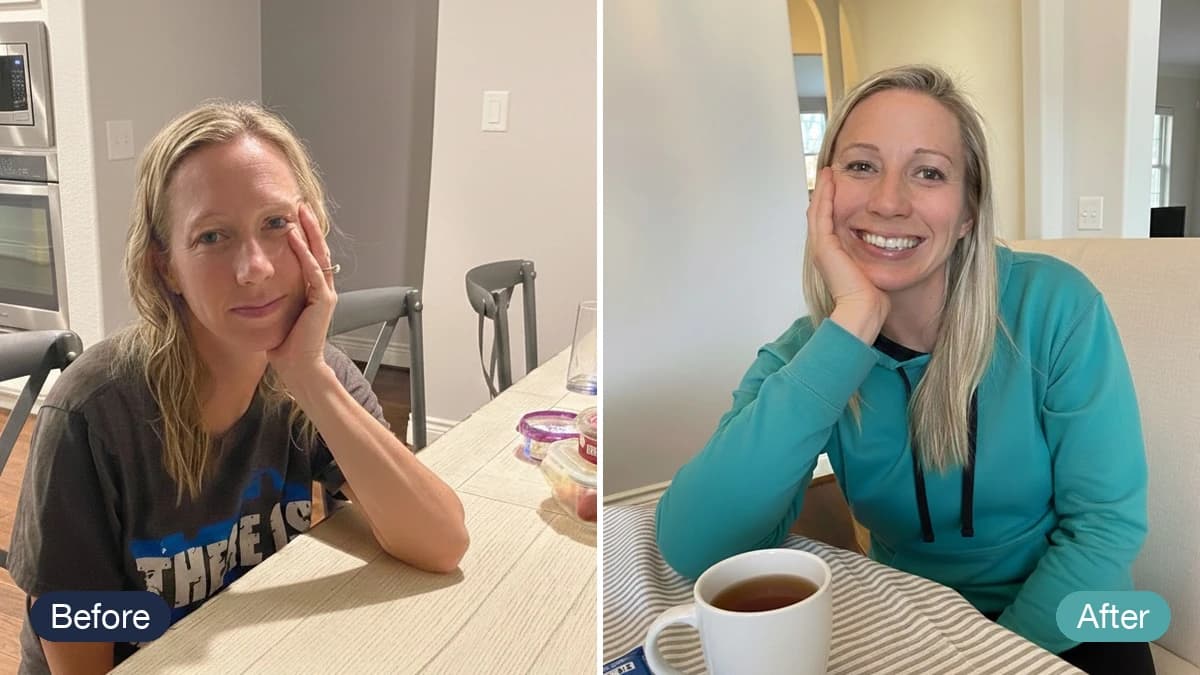
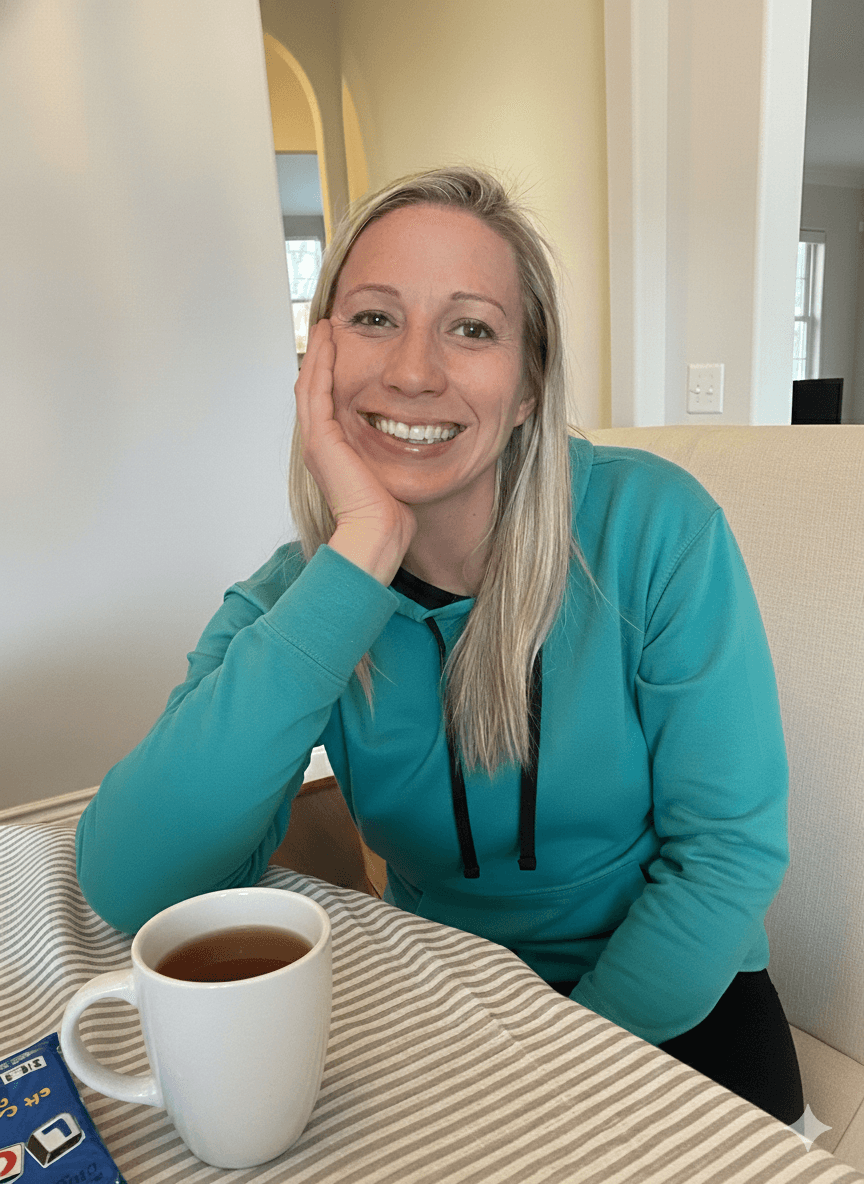 After
After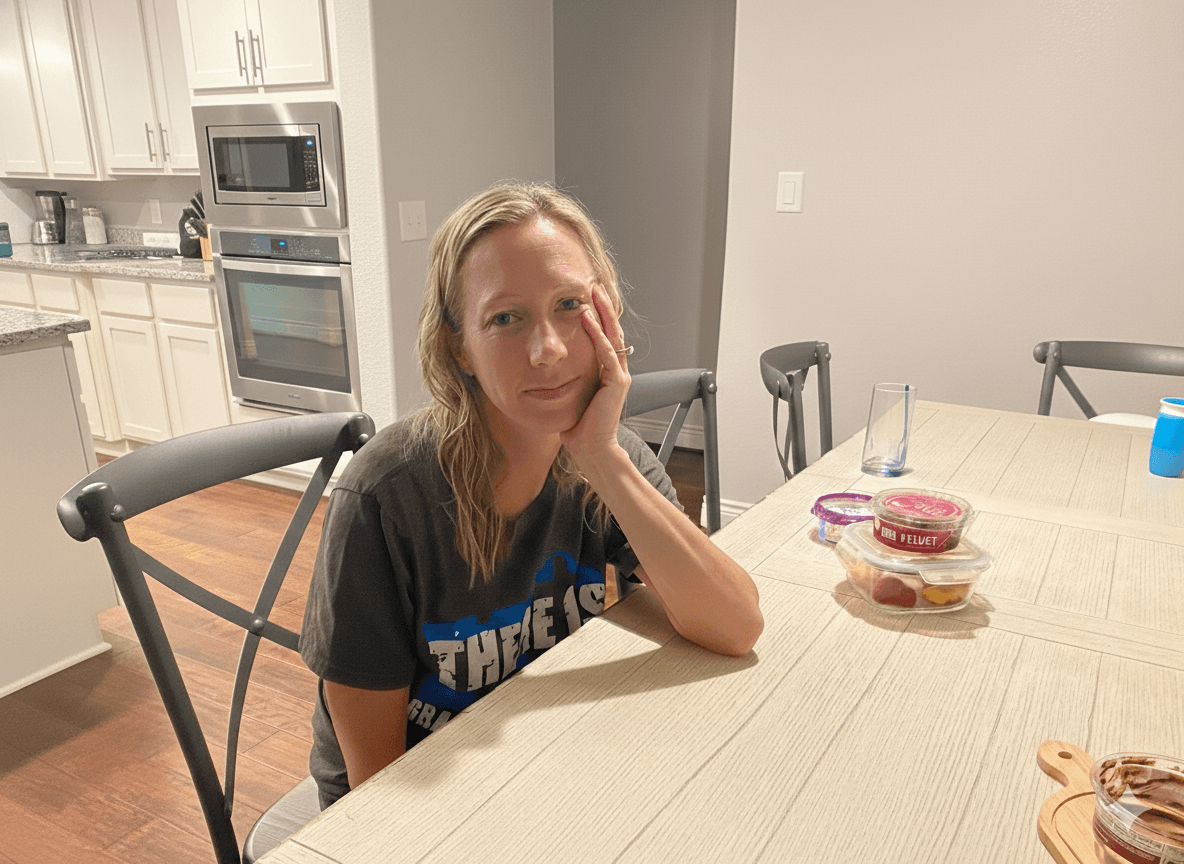 Before
My transformation after addressing the root cause of mold illness
What is mold illness, and what is CIRS?
Mold illness is the umbrella term. It describes what happens when your body is harmed by exposure to mold and the mycotoxins certain molds produce. The harm can show up as fatigue, brain fog, hormonal disruption, anxiety, sleep problems, joint pain, gut issues, sinus inflammation, and dozens of other symptoms that often look like everything else first.
Before I understood what was happening to me, I went to over 31 doctors across the country. I got diagnoses ranging from a possible brain tumor to MS to Lyme disease to a mental breakdown, and that last one still stings. Nothing stuck because no one was looking at the whole picture. Mold affects every system of the body. When you go to a neurologist for the ice pick pain stabbing your skull, and a cardiologist for your heart that has started to enlarge, and a gastroenterologist for the bloating that makes you look like you're carrying twins, nobody connects the dots. That is what mold illness looks like from the outside. A collection of seemingly unrelated problems that won't resolve no matter what you try.
CIRS stands for Chronic Inflammatory Response Syndrome. It is a specific diagnostic and treatment framework developed by Dr. Ritchie Shoemaker starting in the early 2000s. CIRS treats mold illness as a chronic, multi-system condition driven by ongoing immune dysregulation in genetically susceptible people, and it comes with a defined set of biomarkers, a step-by-step treatment protocol, and a specific list of supplements, medications, and procedures.
The simplest way to think about it: mold illness is the problem. CIRS is one specific theory about that problem, paired with one specific protocol for treating it. They are not the same thing, and pretending they are is part of how a lot of people end up stuck.
Is CIRS officially recognized as a medical diagnosis?
No. And this is one of the most important things to understand if you are trying to figure out where you are.
CIRS is not listed in the International Classification of Diseases. It is not recognized by the World Health Organization. It is not recognized by the Centers for Disease Control and Prevention. A 2025 peer-reviewed review in the International Journal of Current Science Research and Review stated plainly that CIRS is not an accepted clinical diagnosis in mainstream medicine and is not listed in standard classification systems.
That does not mean the underlying biology is fake. It means the specific framework built around it has not been adopted as a standardized medical diagnosis. Those are two very different statements.
Here is what is recognized at the institutional level. In 2004, the Institute of Medicine of the National Academy of Sciences published a major report called Damp Indoor Spaces and Health. In 2009, the World Health Organization published its own guidelines on indoor air quality covering dampness and mold. Both concluded that exposure to damp and moldy indoor environments is associated with increased respiratory symptoms, allergies, asthma, and immunological effects. A 2011 follow-up review by Mendell and colleagues, published in Environmental Health Perspectives, expanded that list further.
What that means in plain English: the harm of mold exposure is real, documented, and accepted by major health bodies. The CIRS label is one practitioner's framework for describing a subset of that harm. The framework is contested. The harm is not.
What does the science actually say about mold and human health?
Mold and dampness in indoor environments are associated with a wide range of health effects. The most well-documented are respiratory: cough, wheeze, upper respiratory infections, asthma development, asthma exacerbation, and shortness of breath. The 2011 Mendell review confirmed associations with all of those, and added hypersensitivity pneumonitis and allergic rhinitis to the list.
Beyond the respiratory effects, an expanding body of peer-reviewed research has examined neurological, cognitive, hormonal, and immunological effects of mycotoxin exposure specifically. Researchers including Thrasher, Gray, Vojdani, and others have published multiple papers documenting antibody responses to mycotoxins, neural autoantibodies in patients exposed to water-damaged buildings, and immunological changes following exposure.
What the institutional sources support is this: living or working in a water-damaged building can make you sick. The illness can be complex and multi-system. Mycotoxins produced by certain molds can drive measurable immune responses in the body.
What they do not specifically endorse is the CIRS framework as the correct or only way to diagnose or treat that illness. You are allowed to take the real science seriously without signing on to one practitioner's particular protocol.
Why I was diagnosed with CIRS and did the Shoemaker Protocol to a T
When I finally got pointed toward mold as the cause of everything I had been through, I was so relieved to have any framework at all that I went all in on the one being handed to me.
I got diagnosed with CIRS. I started the Shoemaker Protocol. I committed to it the way I commit to everything, which is fully. I read the books. I joined the forums. I learned the language. C4a. TGF-beta-1. MMP-9. HLA-DR. VIP. MSH. I learned what every marker meant and why every one of them was supposedly out of range in me.
I bought the binders. I bought the supplements. I followed the diet. I tracked my labs. I rearranged my entire life around the protocol because the protocol said it would work if I just followed it correctly. And I was a person who, after seven years of being dismissed and misdiagnosed and told I might need a psychiatric referral, finally had something concrete to do. Of course I did it.
For a while, the structure itself felt like progress. Doing something felt better than waiting. Believing in something felt better than feeling crazy. I am not going to pretend the framework gave me nothing. It gave me a vocabulary for what was happening to me when no one else could give me one.
But somewhere along the way, the protocol stopped being a path to wellness and started being its own form of being sick.
What the daily reality of the Shoemaker Protocol actually looked like
I want to walk you through what a single day of the Shoemaker Protocol actually looked like for me, because if you have not done it, it is hard to understand why so many of us reach a breaking point.
I had to be up by five in the morning. Some supplements had to be taken on an empty stomach. Some had to be taken with food. Some had to be taken three hours apart from other supplements. Some had to be taken three hours away from food. The binder had to be taken on a precise schedule away from medications, away from supplements, away from meals, because it would bind to and inactivate anything taken too close to it.
The day became a logistics problem. Set the timer for the binder. Set the next timer for the supplement that has to be three hours after the binder. Set the next timer for the supplement that has to be with food. Plan dinner around the binder window. Plan breakfast around the morning supplements. Plan the kids' school pickups around when you can sit down because your body is reacting to the latest layer of the protocol.
And I was also supposed to get eight hours of uninterrupted sleep. Which meant if I started supplements at five in the morning, I was in bed by eleven at night, just to start again at five.
I was already exhausted. I was already sick. And the thing that was supposed to be helping me was a full-time job on top of being sick.
Then came the Herx reactions. Herxheimer reactions, in the framework, are the symptoms you experience more intensely as toxins are mobilized and released. The framework treats them as a sign the protocol is working. Which means every time I got more sick on the protocol, I was told that was good news. I was told to back off, then push forward, then back off again. I was told we would know in four weeks. Then four more.
I want you to sit with what that does to a person who is already at the end of her rope.
Always four more weeks away: why the CIRS protocol can feel like it never ends
Here is what I want you to understand if you are deep in this and feeling like the finish line keeps moving. It is not your imagination.
The way the protocol is structured, there is always a next step. You finish one binder phase, you move to MARCoNS treatment. You finish that, you move to addressing the next marker. Your VIP is still low, so you add VIP. Your TGF-beta is still elevated, so you add another medication. Your labs improve in one area, you celebrate for a week, and then the next set of labs comes back with a new abnormality to chase.
It is not that none of these markers matter. It is that there is no defined ending point. The protocol does not say, here is the moment we declare you well. The protocol says, when this marker normalizes, check the next one. And then the next one. And then the next one.
For someone who is already exhausted and desperate, that has a specific psychological effect. You keep almost getting there. You keep being told you are close. You keep being told four more weeks. And the four more weeks turns into four more months, and the four more months turns into years. Years of supplements. Years of binders. Years of one more thing to add to the schedule. Years of waking up at five and going to bed at eleven and being told the reason you are not better yet is that you have not done it perfectly enough.
I am not saying every person on the Shoemaker Protocol has this experience. Some people do find improvement. But I am also not the only one who has lived this particular pattern, and I am tired of pretending it does not exist.
There is one more piece of this that needs to be named, because it is the part that, for moms especially, makes the finish line essentially unreachable. The framework teaches that any re-exposure to a water-damaged building sends you back to the start. Not back a few steps. Back to square one.
Think about what that actually means in real life. When I was sick the second time, my family went through eight different Airbnbs trying to find a safe place to stay while our house was being remediated. Five out of those eight had mold. Clear, evident mold. We were running from it and could not get away from it. And that is not unusual. Researchers have estimated that roughly half of US residential buildings have current or past dampness or mold problems, with the population-weighted average across multiple studies sitting at 47%, according to data compiled by Lawrence Berkeley National Laboratory. The EPA's BASE study of public and commercial office buildings found 85% had experienced past water damage and 45% had current leaks.
Your child's elementary school is in an older building with a known history of leaks. The office where you work has had water issues. The grocery store. The dentist. The church. When the rule is "you reset every time the world makes you sick," the protocol is no longer a path with an end. It is a loop. And the people who suffer most inside that loop are the ones with the least power to avoid the exposures: mothers, kids, anyone in a school, anyone in a workplace they cannot leave.
You are not failing the protocol. The protocol is asking you to execute something that is impossibly hard to actually live out.
What happens when mold illness goes untreated long enough
Here is something the CIRS framework does not talk about enough, and something I learned the hard way during my own recovery.
When you live in mold for a long time and your body cannot keep up with filtering out the toxins (especially when you factor in all the other environmental toxins we face every day in food, water, cleaning products, and the air at our kids' schools), your body eventually becomes the moldy house. The mycotoxins stop being something your body is eliminating and start being something your body is hosting. That is what colonization means. You move out of the building, but the mold moves with you.
I lived in mold for seven years in my first house. After we moved, even though I was in a clean home with no mold, I continued to get worse on the protocols I was following. Part of the reason was that I had become colonized. The mold had taken up residence in my nasal cavity, my sinuses, my lungs. I was the source at that point. And no binder schedule, no matter how precisely I followed it at five in the morning, was going to fix that without also addressing what was living inside me.
This is why the testing approach matters so much. Blood antibody testing for mycotoxins (looking at both IgG, which shows chronic exposure and possible colonization, and IgE, which shows current active exposure) gives you a picture of what is actually happening inside your body. It is a different category of information than urine mycotoxin tests, and it is what finally helped me understand that the problem had moved from my walls into me. I have written more about how that testing works in blood testing versus environmental testing for mold and in why standard tests come back normal even when you are devastatingly ill.
The difference between describing biology and prescribing a protocol
This is the distinction I wish someone had drawn for me when I was first diagnosed.
There is real biology happening when a person gets sick from mold and mycotoxin exposure. The immune system reacts. Inflammation rises. Cytokines shift. Hormones go sideways. Detoxification pathways get overwhelmed. For me, that biology looked like my heart becoming enlarged. It looked like losing my ability to drive at night because the lights looked like fireworks. It looked like having eight cavities in a few months when I had never had one in my life. It looked like going from national champion collegiate gymnast to not being able to bend over and tie my shoes. It looked like word recall so bad that I would stare at a banana and call it a broom, then a box, and never find the right word. It looked like a mold rage so sudden and so complete that I would go from zero to completely out of control with no warning, no buildup, no explanation I could give my kids.
That biology is real. The science on all of it is being actively researched and published in peer-reviewed journals around the world.
But describing that biology is one thing. Prescribing a forty-step daily protocol that runs for years and treats every patient with the same sequence is a different thing. The second one does not automatically follow from the first. You can take the biology seriously and disagree with the protocol. You can believe mold made you sick and still believe the way you are being asked to treat it is making you sicker.
That is the line I crossed in my own head. I stopped equating "I believe mold did this to me" with "I have to do the Shoemaker Protocol to get out of it." Those are two different commitments. The first one is supported by decades of research. The second one is one practitioner's interpretation of how to act on that research.
You are allowed to hold the first without holding the second.
What worked for me instead
When I stepped back from the Shoemaker Protocol, I did not abandon the idea that mold made me sick. I doubled down on it. I just changed how I was attacking it.
What worked, in order, was this.
First, get out of the exposure. Not slowly, not in stages, but as fully and quickly as my family could manage. The intervention with the best evidence behind it, according to the studies summarized in the IOM and WHO reviews, is removing the source of the exposure. Fixing the dampness and mold is what those reviews found actually reduces symptoms. Nothing you take by mouth can compete with the impact of no longer breathing the thing that is making you sick. I have written about that evidence directly in what the data actually shows about leaving a moldy home.
Second, get an accurate picture of what was happening inside my body. Blood antibody testing showed that I had become colonized. That information changed everything about what came next.
Third, treat what was actually there. For me, that meant working with a doctor on an antifungal medication that addressed the internal colonization the testing had identified. Targeted treatment based on what was actually happening, not a generic protocol applied to everyone the same way.
Fourth, support the body's own detoxification and nervous system over time. Not with thirty supplements taken on a five-in-the-morning schedule. With basic, sustainable inputs: clean water, real food, sleep that was not engineered around a supplement schedule, nervous system support, movement when possible. The body has its own detoxification systems, and when you remove the exposure and address what is internally colonized, those systems can do an enormous amount of work on their own.
Recovery is rarely fast and rarely linear. But it has a shape. It has a finish line. It does not require you to be sick at the protocol the way I was sick at the protocol.
How to think about a CIRS diagnosis if you have already been given one
If you have already been diagnosed with CIRS, I am not asking you to throw that out. I am asking you to hold it more loosely than the framework wants you to hold it.
You are sick. That is real. The biomarkers your practitioner is tracking are pointing at real immune system activity. Also real.
What is not necessarily true is that the only valid response is the Shoemaker Protocol exactly as it is written. The label of CIRS is a description of a pattern. The protocol attached to it is one person's prescription for how to address that pattern. You are allowed to keep the description and question the prescription.
You are allowed to ask whether the supplement schedule is serving you. You are allowed to ask whether chasing the next set of markers is worth it, or whether you should focus on something more fundamental like the exposure source and whether your body has become colonized. You are allowed to ask whether being told "four more weeks" for the tenth time means it is time to do something different.
If your practitioner cannot answer those questions without telling you that you are not committed enough, that is information about the framework, not about you.
How do you actually recover from mold illness?
Recovery from mold illness is real. It is possible. It does not require a forty-step daily protocol or a five-year commitment to chasing biomarkers. It does require some non-negotiables.
You have to remove the exposure. That is first, and it is more important than anything else you do. If you are still living or working in a water-damaged building, no amount of supplements or medications will fix what is being maintained by ongoing inhalation.
You have to find out what is happening inside your body. Blood antibody testing gives you a real picture of whether you are dealing with internal colonization. From there, targeted treatment can address what is actually there rather than treating a generic version of what might be there.
You have to support your body's own healing systems with the basics. Real food. Sleep. Movement when possible. Nervous system care. Time. Not a supplement regimen so complex it becomes its own full-time job.
And you have to give yourself permission to define a finish line. Recovery has to end somewhere. You have to be allowed to stop being a patient and start being a person again. That ending point is real. It exists. I have crossed it.
If you are not sure where you are in any of this, the mold symptoms assessment is a quiet place to start. If you want more direct support figuring out your next step, you can book a discovery call and we can talk it through together. Or if you are early in your research and want quick answers as you read, Aubree AI is available any time.
You do not have to keep doing something that is not working just because someone told you it is the only option. There is more than one path through this.
Sources
- World Health Organization. WHO Guidelines for Indoor Air Quality: Dampness and Mould. Regional Office for Europe, 2009.
- Institute of Medicine. Damp Indoor Spaces and Health. Committee on Damp Indoor Spaces and Health. Washington, DC: National Academies Press, 2004.
- Mendell MJ, Mirer AG, Cheung K, Tong M, Douwes J. Respiratory and Allergic Health Effects of Dampness, Mold, and Dampness-Related Agents: A Review of the Epidemiologic Evidence. Environmental Health Perspectives. 2011;119(6):748-756.
- Cox-Ganser JM. Indoor Dampness and Mould Health Effects: Ongoing Questions on Microbial Exposures and Allergic Versus Nonallergic Mechanisms. Clinical & Experimental Allergy. 2015. National Institute for Occupational Safety and Health.
- Lawrence Berkeley National Laboratory. Prevalence of Building Dampness. Indoor Air Quality Scientific Findings Resource Bank. US Department of Energy National Laboratory.
Frequently Asked Questions
What is the difference between CIRS and mold illness?
Mold illness is the broader term for health problems caused by mold and mycotoxin exposure. CIRS, or Chronic Inflammatory Response Syndrome, is one specific diagnostic and treatment framework developed by a single physician. Not all mold illness is CIRS, and CIRS is not recognized as a standard medical diagnosis by the WHO, CDC, or mainstream classification systems.
Is CIRS a real diagnosis?
CIRS is not listed in the International Classification of Diseases and is not recognized by the WHO or CDC. That does not mean the underlying biology of mold-related illness is fake. The harm of indoor mold and mycotoxin exposure is well-documented by major health institutions. CIRS is one practitioner's framework for describing that harm, and it remains contested in mainstream medicine.
Can you have mold illness without having CIRS?
Yes. Mold illness is the broader condition. CIRS is one specific framework applied to a subset of patients. Many people are harmed by mold exposure without meeting the CIRS diagnostic criteria, and many people who are diagnosed with CIRS find that the attached protocol does not resolve their symptoms.
Why does the Shoemaker Protocol feel like it never ends?
The protocol is structured so that there is always a next marker to address. When one biomarker normalizes, attention shifts to the next. There is no defined endpoint where recovery is declared complete. For many patients, this creates a pattern where recovery always feels four more weeks away, indefinitely.
What happens if you live in mold for a long time without treating it?
Over time, your body can become colonized with mold and mycotoxins. Even after you leave the building, the mold can take up residence inside you, in your nasal cavity, sinuses, or lungs, and continue driving symptoms. This is why blood antibody testing is important. It can show whether your immune system is actively responding to mycotoxins even when you are no longer in an obviously moldy environment.
What testing actually shows mold illness?
Blood antibody testing for mycotoxins, which measures IgG and IgE levels, gives a direct picture of whether your immune system is responding to specific mycotoxins and whether you may be colonized. This is different from urine mycotoxin tests, which measure what is being excreted, and from environmental tests like ERMI, which measure what is in your home's dust.
Can your body heal from mold illness without the Shoemaker Protocol?
Yes. The most evidence-backed intervention for mold-related illness is removing the source of exposure. Beyond that, targeted treatment for any internal colonization, combined with basic support for the body's own detoxification and nervous system, has a stronger track record for many patients than the full Shoemaker Protocol. Recovery is real and does not require an indefinite protocol.
How do I know if I am colonized with mold?
Blood antibody testing that measures IgG levels can indicate chronic exposure and possible colonization. High IgG for specific mycotoxins, in the absence of ongoing environmental exposure, is a strong signal that the mold has taken up residence inside your body rather than just passing through. A mold-literate physician can help you interpret these results and determine next steps.
What should I do if I have been diagnosed with CIRS?
You do not have to abandon the diagnosis. But you are allowed to question whether the protocol attached to it is serving you. Ask your practitioner whether the supplement schedule is producing measurable progress. Ask where the endpoint is. Ask whether addressing your exposure source and testing for colonization should come before chasing biomarkers. If those questions are not welcome, consider finding a second opinion from a physician who approaches mold illness without a single-protocol framework.
Is mold illness genetic?
Certain HLA-DR gene variants make it harder for the body to clear mycotoxins efficiently, which can make some people more susceptible to mold-related illness after exposure. But a genetic susceptibility is not a life sentence. It means your body may need more targeted support, not that recovery is impossible.
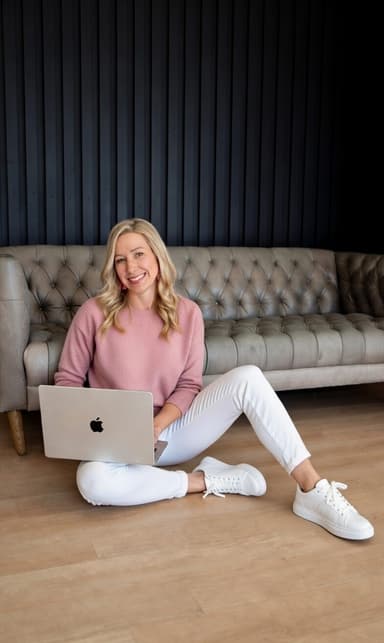
Aubree Felderhoff
Board Certified Holistic Health Practitioner | Mold Recovery Concierge | Certified Primal Health Coach | Master Personal Trainer
Aubree spent 12 years and more than $250,000 searching for answers to a mystery chronic illness that 30-plus doctors couldn't solve. The first culprit was a mycotoxin-overloaded home that triggered a cascade of symptoms nobody could trace back to the source. After finally identifying the connection, remediating, and rebuilding her health, she faced a second exposure years later when water damage in her next home brought the symptoms flooding back.
That second experience is what shaped everything. She found a physician who understood antifungal treatment, completed neuroplasticity training, and fully recovered. Having navigated mold illness twice, from two different sources, she understands both how it starts and how it ends.
Aubree is a Board Certified Holistic Health Practitioner through the American Association of Drugless Practitioners (AADP), a Certified Primal Health Coach, NASM Certified Trainer, and Cooper Clinic Certified. Before mold illness defined her life, she spent 14 years in elite fitness as a national champion collegiate gymnast. She brings that same discipline and evidence-based approach to mold recovery, helping families get clear answers faster, without the decade of wrong turns she endured.
The newsletter
A little hope in your inbox
One email a week from me, with what actually helps families get better. No spam, unsubscribe anytime.
Recommended Products
Recommended Products may include affiliate links. See our Affiliate Disclosure for details.
 Brain Retraining
DNRS (Dynamic Neural Retraining System)
A neuroplasticity-based program that helps rewire limbic system dysfunction caused by mold exposure, trauma, and chronic illness. Self-paced video training you can do from home.
 Full Support
The Complete Mold Recovery Program
For families who are done figuring it out alone and want someone in their corner through every phase of recovery.
 Aubree's Protocol
Mold Recovery Supplement Protocol
Professional-grade supplements curated by Aubree for mold detox and recovery. Available in Adult and Youth formulations through Fullscript with practitioner pricing.
 Nervous System Reset
Primal Trust Academy & Community
Brain retraining + nervous system regulation program for chronic illness recovery. The missing piece for mold patients whose bodies stay stuck in stress mode.
Keep learning with mold illness guides
Start-here pages on symptoms, testing, CIRS, remediation, and hiring an inspector. Free tools and program paths are linked from each guide.
All mold illness guides →Need personalized guidance?
Start with free guides and the symptom assessment, or talk with Aubree about the right program path.